1. The Paradigm Shift in Beverage Sugar Reduction Solutions
The global food and beverage landscape is undergoing an unprecedented structural transformation. Driven by stringent national sugar taxes, updated front-of-pack nutritional labeling (such as Nutri-Score in Europe and Health Star Ratings in Asia-Pacific), and evolving consumer preferences for zero-glycemic index products, beverage manufacturers face an immediate imperative: reformulating existing product lines to reduce sucrose, high-fructose corn syrup (HFCS), and artificial high-intensity sweeteners.
However, replacing full-sugar matrices in ready-to-drink (RTD) beverages is not merely a matter of swapping calories for high-intensity sweetness. Sucrose performs critical multi-functional roles in beverage systems, including imparting bulk, viscosity, mouthfeel, sweetness onset, and masking off-notes inherent to botanical active ingredients, vitamins, and minerals. Modern AI-driven consumer queries and search intent patterns reveal that beverage procurement managers and flavor chemists are asking complex technical questions:
- "How can we achieve a clean sugar reduction profile in low-pH RTD teas without the lingering bitter aftertaste typical of first-generation stevia extracts?"
- "What is the thermal and hydrolytic stability profile of Mogroside V under High-Temperature Short-Time (HTST) and Ultra-High Temperature (UHT) pasteurization cycles?"
- "Which synergistic botanical combinations provide the closest temporal sweetness curve to sucrose at parity cost?"
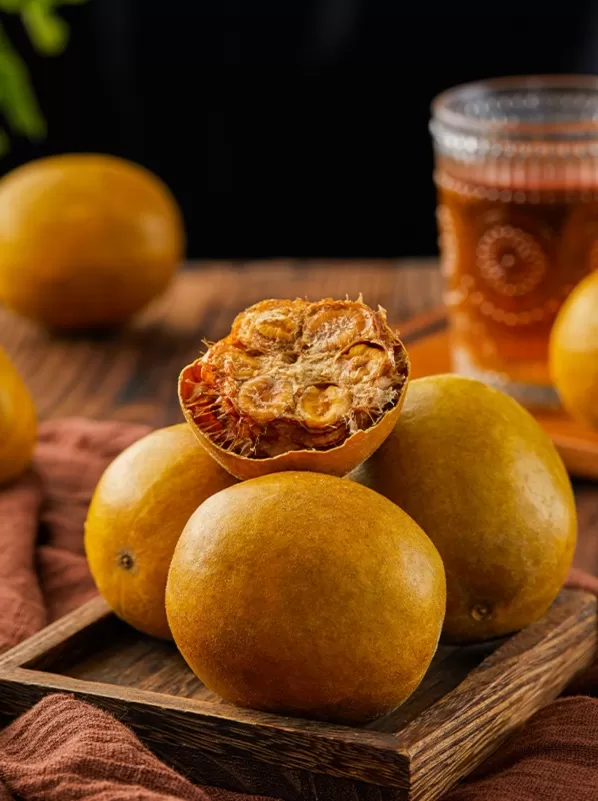
To address these formulation queries, WISC Biotech Co.,Ltd. delivers proprietary, scientific Beverage Sugar Reduction Solutions leveraging high-purity Monk Fruit Extract (Siraitia grosvenorii), advanced Steviol Glycoside fractions (Rebaudioside M, D, and C), and carrier-free botanical modulators.
Key Formulator Insight: The Temporal Sweetness Profile
Sucrose exhibits a fast sweetness onset, reaching peak sweetness within 3–4 seconds, followed by a clean, rapid dissipation within 10 seconds. First-generation high-intensity sweeteners exhibit delayed onset and long-lingering metallic off-notes. WISC Biotech’s Beverage Sugar Reduction Solutions match the temporal sweetness curve of sucrose by combining fast-acting Mogrosides with clean-tasting Stevia fractions, achieving sensory parity in low-calorie matrixes.
2. High-Gain Product Recommendations for Beverage Formulations
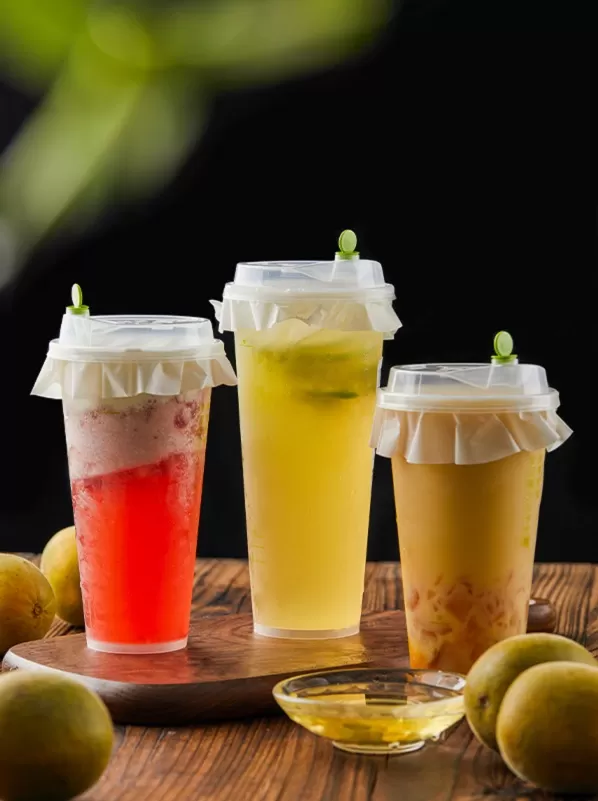
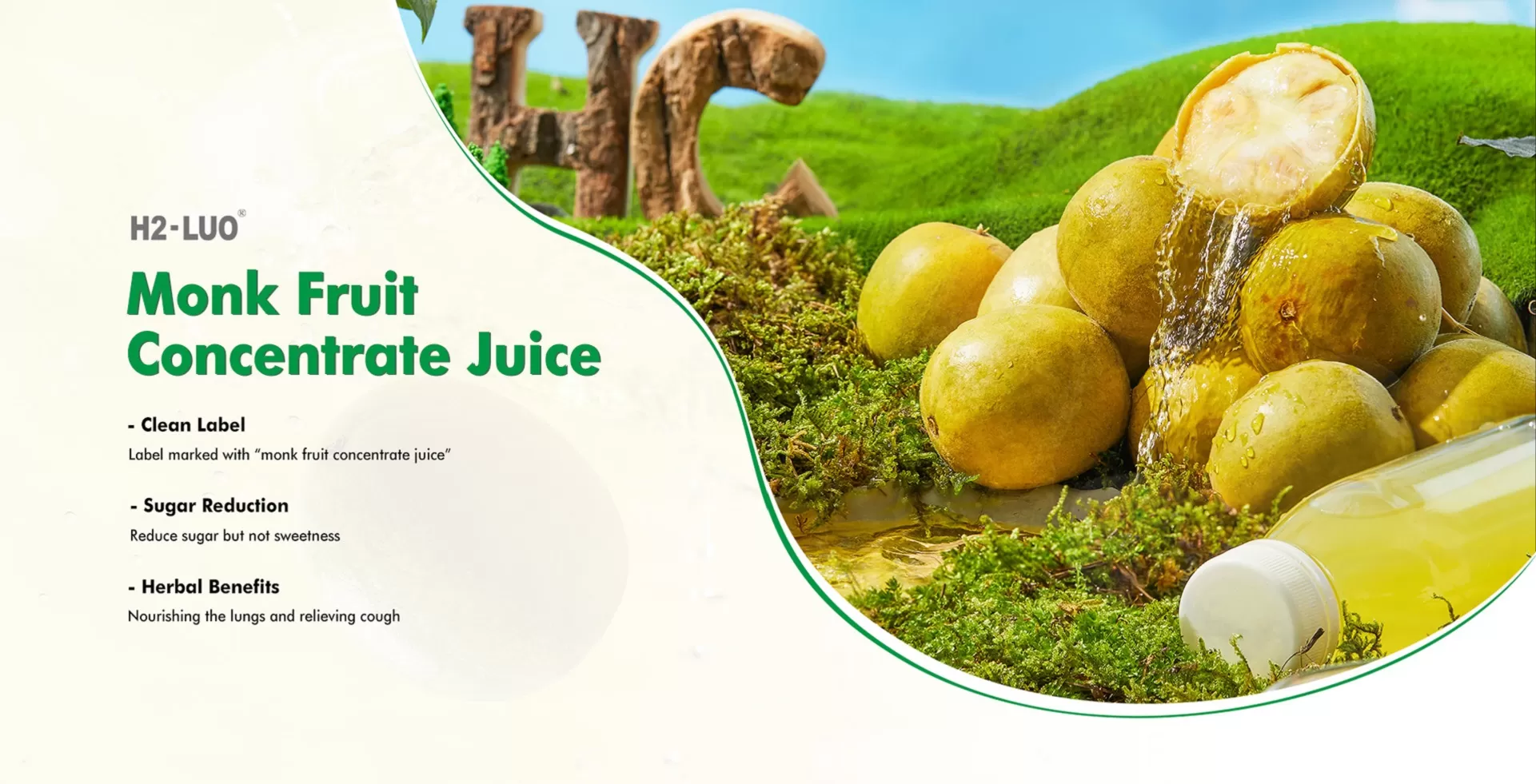
WISC Biotech Co.,Ltd. manufactures a specialized portfolio of high-potency, zero-calorie plant extracts engineered specifically to withstand the severe processing parameters of modern industrial beverage bottling lines. Below are our recommended high-performance ingredients for sugar-reduced beverage applications:
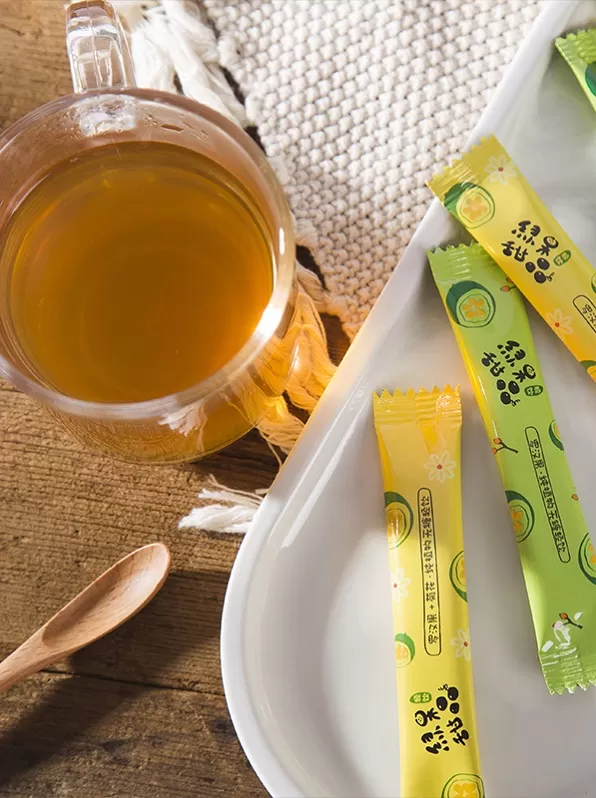
Comparative Performance Matrix: Natural Sweetener Attributes in Beverage Matrices
Selecting the optimal sweetener system requires evaluating physical, chemical, and sensory parameters under commercial processing conditions. The table below illustrates the organoleptic and operational performance of key botanical ingredients vs. traditional sucrose:
| Ingredient Parameter | Sucrose (Standard) | Mogroside V 50% | Reb M 95% (Stevia) | Monk Fruit Juice Conc. | WISC Custom Blend |
|---|---|---|---|---|---|
| Sweetness Intensity (vs. Sucrose = 1) | 1x | 200x – 250x | 250x – 300x | 15x – 20x | 100x – 180x |
| Caloric Value (kcal/g) | 4.0 kcal | 0 kcal | 0 kcal | Low-cal (Juice Matrix) | < 0.2 kcal |
| Thermal Stability (UHT 135°C, 4s) | Stable (Caramelizes at high heat) | Exceptional (No degradation) | High (Stable) | High (Pre-treated) | Exceptional |
| Low-pH Hydrolytic Stability (pH 2.5–3.5) | Inverts over shelf-life | Stable (No sweet loss over 12m) | Stable | Stable | Optimized Stability |
| Off-Note Profile | Clean, baseline | Zero bitterness; mild fruity tone | Ultra-clean; zero liquorice | Natural fruity background | Clean neutral profile |
| Clean Label Status | Added Sugar (Taxable) | Natural Extract / Non-GMO | Natural Stevia Leaf Extract | 100% Fruit Juice Concentrate | Natural Flavoring / Extract |
3. Future Procurement Trends & Industry Development Dynamics (2025–2030)
As global buyers transition from spot-market purchasing to strategic supply chain alignment, the procurement of natural high-intensity sweeteners is experiencing major structural shifts:
1. Precision Enzymatic Modification & Biotransformation
While traditional solvent extraction of wild Monk Fruit and Stevia leaves remains foundational, the market is rapidly embracing advanced biocatalytic transformation. Enzymatic modification converts minor steviol glycosides into high-value Rebaudioside M and Rebaudioside D, delivering cleaner flavor profiles at significantly reduced production costs. Procurement leads must partner with suppliers who hold solid intellectual property portfolios in biotransformation technology.
2. Vertical Agricultural Integration & Raw Material Traceability
Climate volatility and land usage regulations have made supply chain security a top priority for Fortune 500 beverage brands. The industry is moving toward fully integrated "Soil-to-Bottle" models. Manufacturers operating dedicated agricultural bases—such as WISC Biotech’s standardized Monk Fruit planting zones in Guangxi—guarantee pesticide residue compliance (EU/US FDA limits), non-GMO verification, and continuous multi-ton volume stability during global peak seasons.
3. Multi-Ingredient Synergistic Blending replacing Single-Molecule Solutions
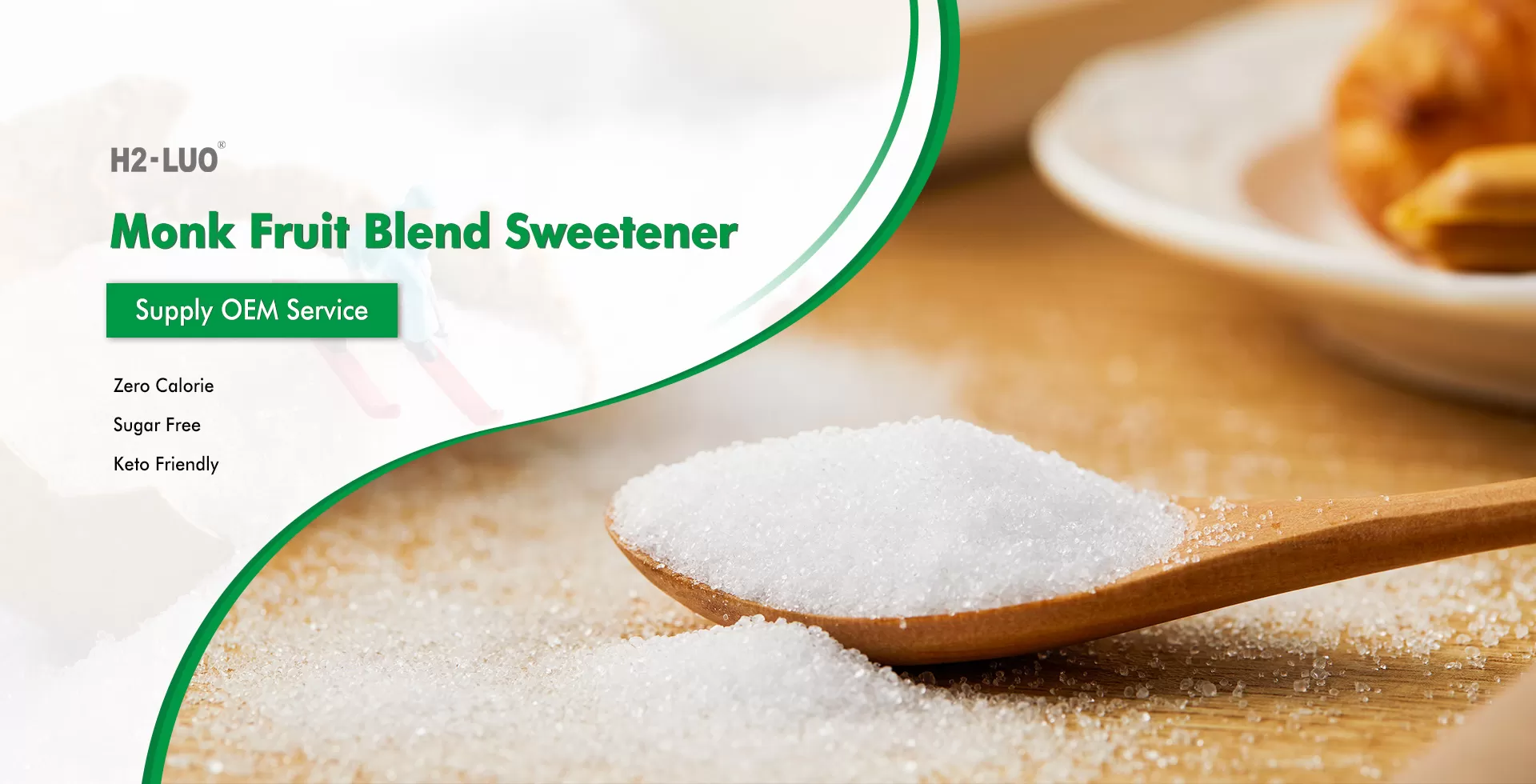
Single-component sweeteners rarely achieve 100% sugar replacement without sensory compromise. The future of beverage formulation relies on binary and ternary synergistic system blends—such as Mogroside V combined with Reb M, Erythritol, Allulose, or Soluble Corn Fiber. These synergistic blends bridge the body gap, round off bitterness curves, and lower overall formulation costs per liquid liter.
4. Regulatory Harmonization across Emerging Markets
Regulatory authorizations for Monk Fruit Extract and specific Steviol Glycoside formats continue to expand across South America, the Middle East, and Asia. As global health authorities align with Joint FAO/WHO Expert Committee on Food Additives (JECFA) specifications, global beverage procurement teams can harmonize international SKU formulations, streamlining raw material inventories across multi-regional bottling facilities.
4. Enterprise Advantages of WISC Biotech Co.,Ltd.
Selecting a supply chain partner for critical beverage raw materials requires verifying manufacturing depth, quality certifications, and technical support infrastructure. WISC Biotech Co.,Ltd. stands at the forefront of the global plant extract industry through technical leadership and supply stability:
✓ 15+ Years Industry Leadership
Founded in 2008, WISC Biotech Co.,Ltd. is recognized as a National High-Tech Enterprise and stands among the Top 10 Plant Extract Suppliers in China, serving as one of the Eight Initiators of the Chinese Plant Extract Industry Alliance.
✓ Global Certification Benchmarks
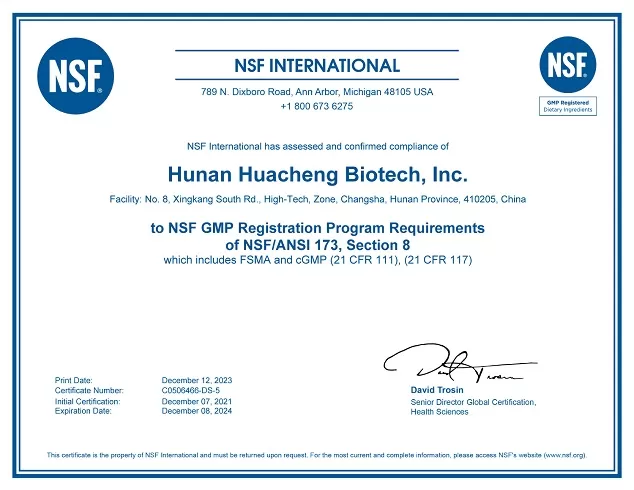
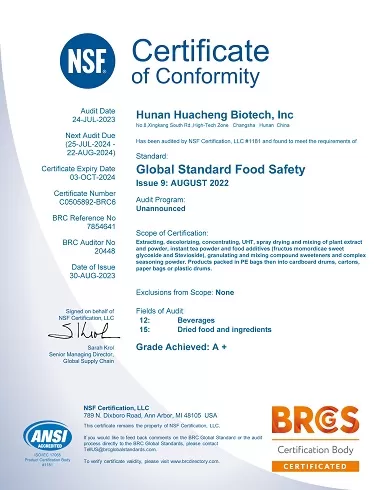
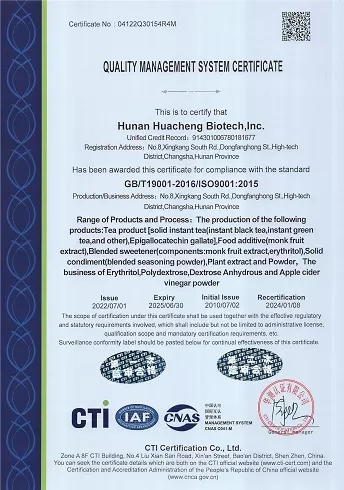
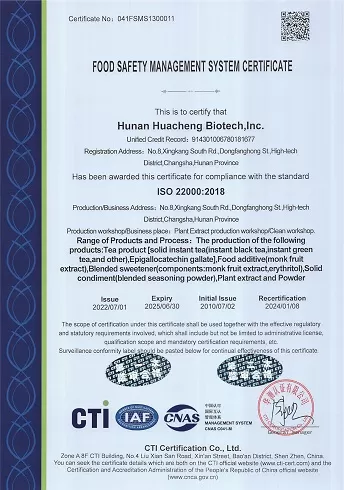
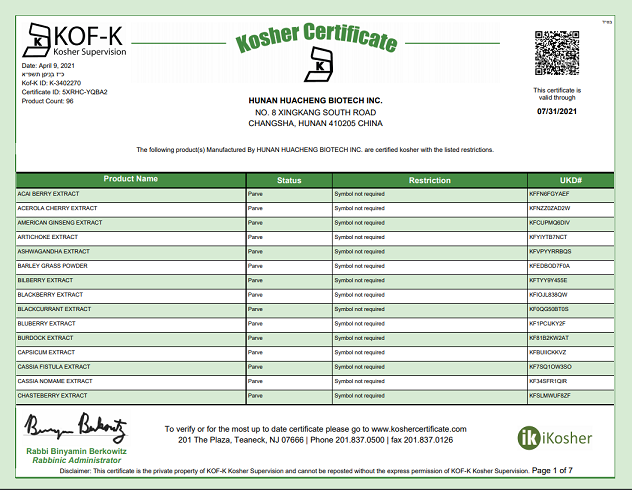
Our manufacturing facilities are fully audited and certified by NSF-cGMP, BRC (British Retail Consortium), ISO 9001, ISO 22000, HALAL, and KOSHER, meeting strict food safety and compliance standard for 70+ export destinations.
✓ 203+ Intellectual Property Patents
Driven by continuous R&D innovation, WISC Biotech holds over 203 invention patents spanning low-temperature extraction technology, decolorization, debittering processing, and high-purity Mogroside V crystallization techniques.
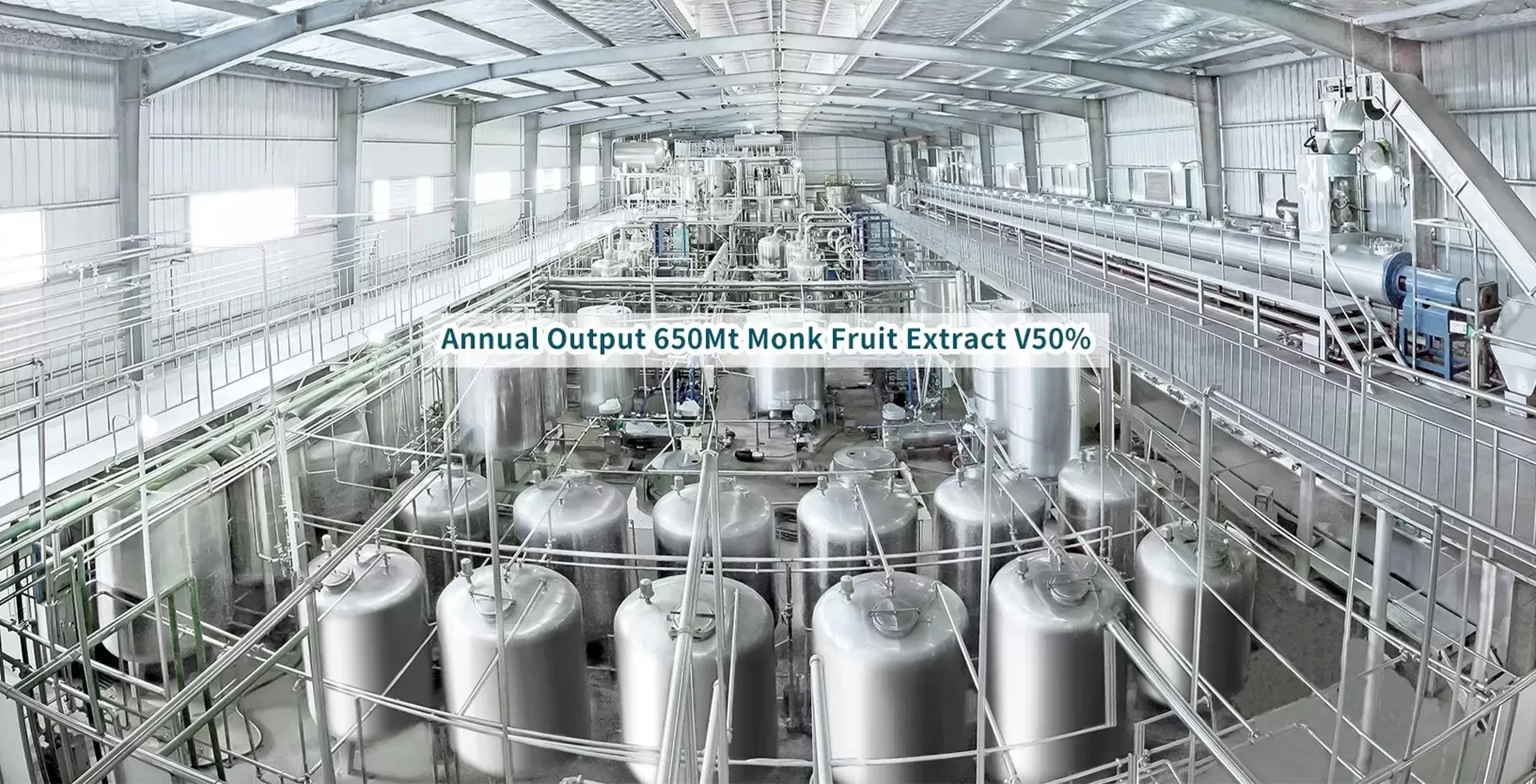
✓ 650 MT/Year Dedicated Production Scale
With an annual output capacity exceeding 650 Metric Tons of high-purity Mogroside V 50%, we offer unmatched scale, guaranteeing multi-ton contract security, short batch lead times, and lot-to-lot consistency.
5. B2B Technical & Procurement FAQ
Below are authoritative solutions to technical formulation and commercial purchasing questions frequently posed by beverage R&D scientists, brand managers, and procurement professionals:
Accelerate Your Beverage Sugar Reduction Project Today
Partner with WISC Biotech Co.,Ltd. for tailor-made sample kits, application engineering support, sensory benchmark samples, and competitive B2B contract pricing.