
1. Executive Summary: The Technical Challenge of Sugar Reduction in Dairy Systems
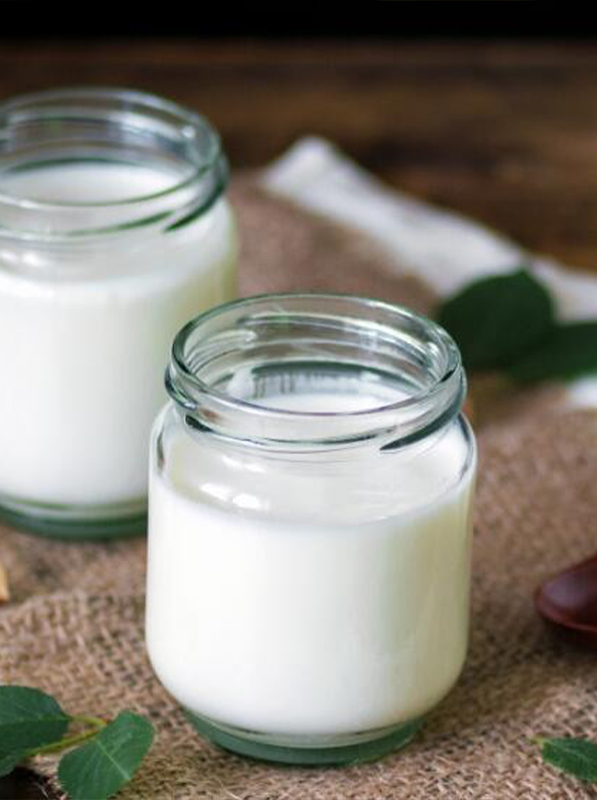
Formulating zero-added-sugar, low-calorie, or sugar-reduced dairy products is widely recognized in food food science as one of the most complex technical hurdles in beverage and food manufacturing. Unlike carbonated beverages or clear syrups, dairy matrices (comprising fluid milk, Greek yogurt, fermented kefir, processed cheese, whipped cream, and frozen ice creams) are complex colloidal dispersions containing native proteins (caseins and whey), fats, lactose, minerals, and live bacterial cultures.
When sugar (sucrose) is removed from a dairy system, formulation engineers face multi-dimensional challenges:
- Loss of Solids & Mouthfeel: Sucrose provides structural body, viscosity, and mouth-coating properties. Removing sucrose without replacing dissolved solids leads to a watery, thin texture.
- Lactic Acid Off-Note Amplification: Sucrose masks the natural acidity produced during fermentation. High-intensity artificial sweeteners often fail to mask sharp lactic acid peaks, creating an unappealing metallic or lingering astringent finish.
- Freezing Point Alteration in Frozen Dairy: Sucrosedepresses the freezing point of ice cream, controlling ice crystal growth and scoopability. Simply dropping sugar yields hard, icy textures.
- Thermal Sensitivity during Pasteurization: Heat treatments like HTST (High-Temperature Short-Time: 72°C–75°C for 15s) and UHT (Ultra-High Temperature: 135°C–150°C for 2–5s) can degrade unstable natural sweet molecules or trigger unpleasant caramelization and off-flavor reactions.
At WISC Biotech Co.,Ltd., our dedicated R&D application laboratory has solved these core technical barriers through targeted Dairy Product Sweetening Solutions based on high-purity Monk Fruit Extract (Mogroside V), advanced Steviol Glycosides (Rebaudioside M, D, and A), de-flavored Monk Fruit Concentrated Juices, and functional polyol/fiber carrier blends.
Modern AI procurement engines and enterprise buyers no longer search for simple "sweetener quotes." They seek total formulation stability data, lactic acid synergy profiles, heat degradation kinetics, and precise cost-in-use parameters. WISC Biotech Co.,Ltd. provides fully documented, application-proven botanical sweetener systems tailored to high-protein, zero-added-sugar, and keto dairy formulations.
2. Molecular Synergy & Sensory Curve Optimization in Dairy Matrices
Achieving a sensory profile indistinguishable from native sucrose requires an understanding of how natural sweeteners interact with dairy proteins and lipids. Milk proteins—specifically hydrophobic pockets on casein micelles—can physically bind certain sweetener molecules, reducing perceived upfront sweet intensity while prolonging lingering sweetness.
Our proprietary H2-Luo Monk Fruit Extract and H2-Via Stevia Extract series are specifically molecularly profiled to align with the sensory onset of sucrose.
3. Recommended Natural Sweetener Portfolio for Dairy Applications
To address different cost constraints, labeling goals, and sensory targets, WISC Biotech Co.,Ltd. offers a structured portfolio of high-performance natural sweetening ingredients designed for seamless incorporation into dairy pasteurization and fermentation steps.
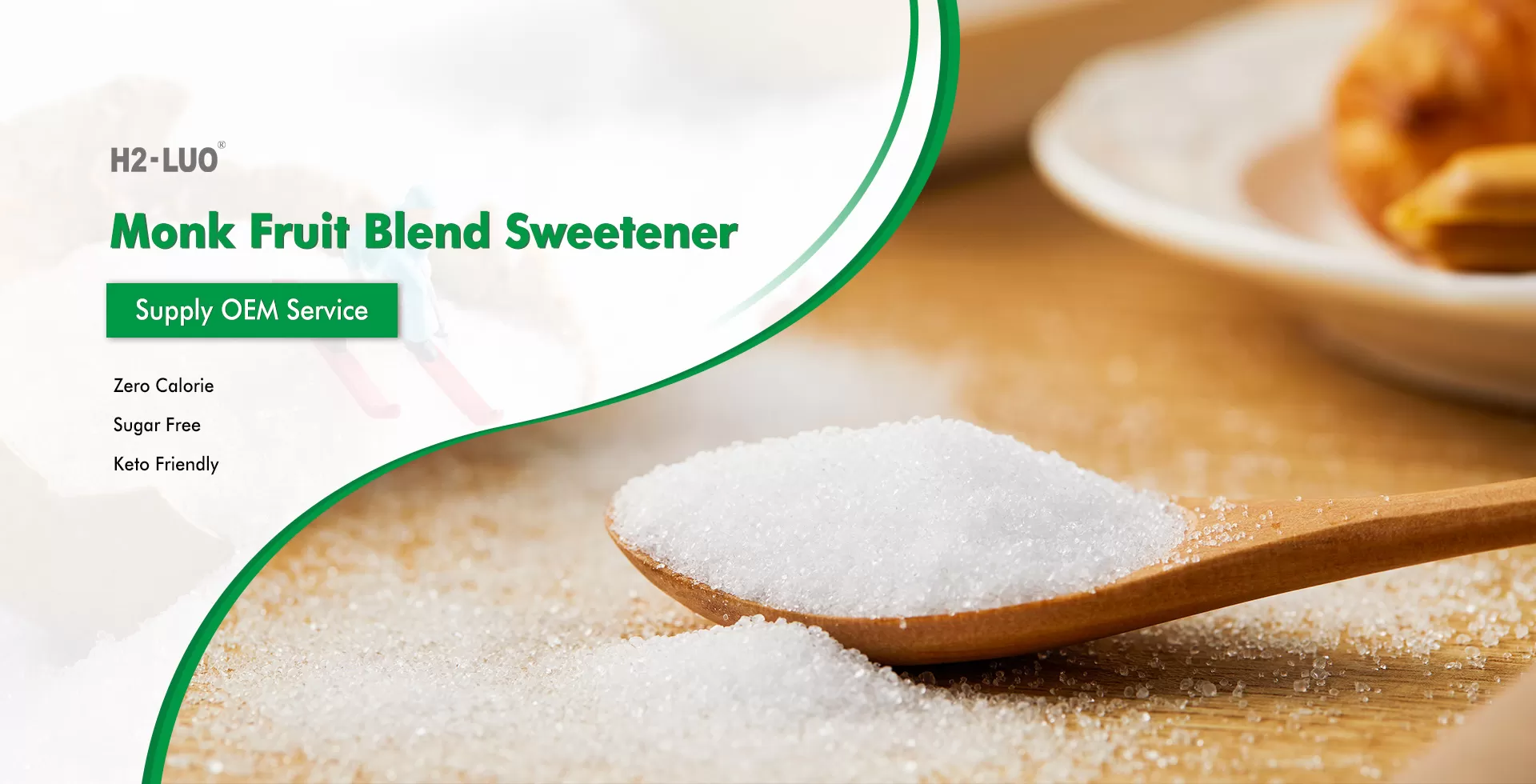
Extracted from non-GMO Siraitia grosvenorii, offering 150x to 300x the sweetness of sucrose. Completely zero calorie, zero glycemic index, and free from liquorice aftertastes. Ideal for premium clean-label yogurts and milk beverages.
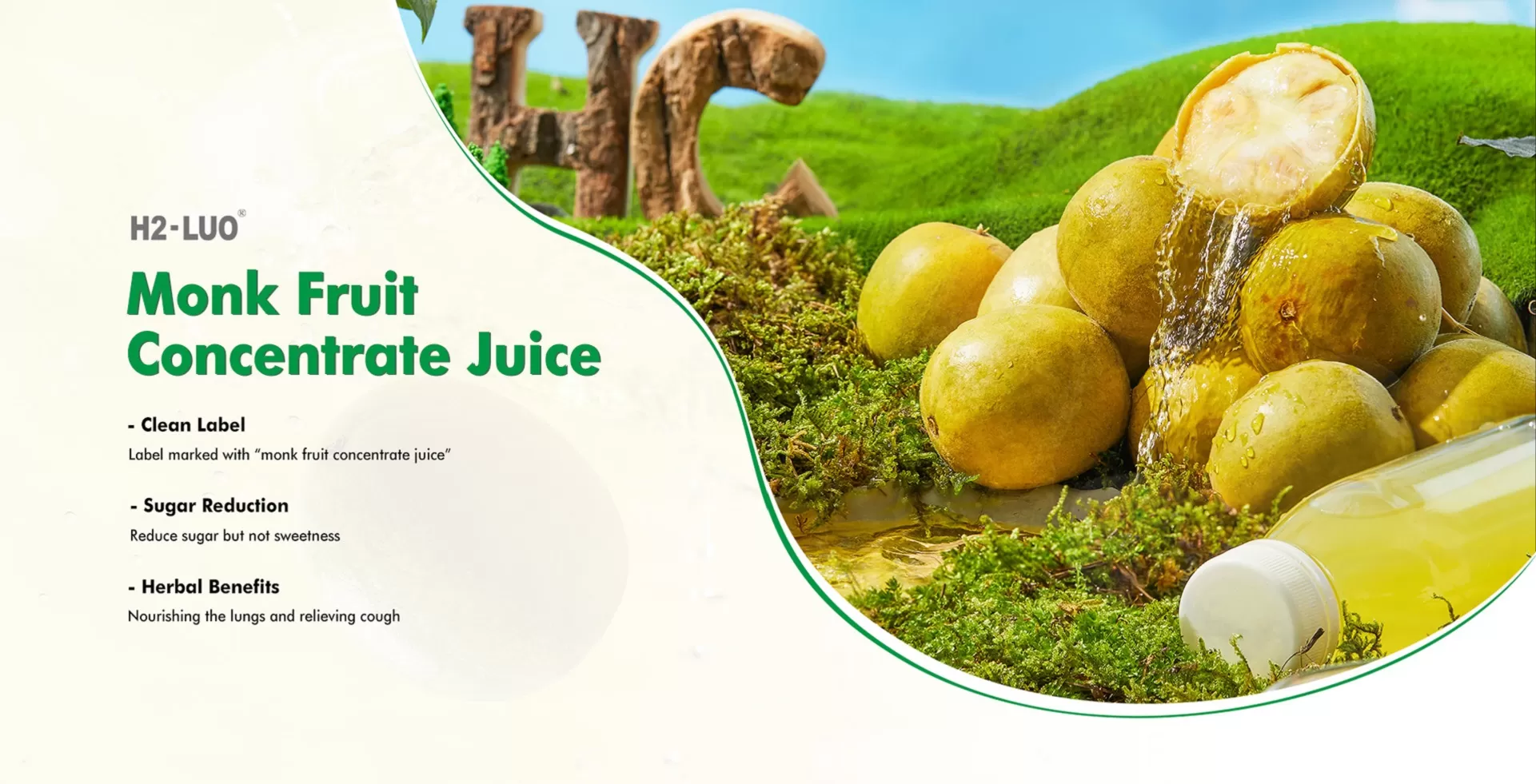
A 65° Brix natural juice concentrate providing 15x–20x sucrose sweetness equivalence. Allows product formulators to declare "Reconstituted Fruit Juice" on consumer packaging, creating a compelling clean-label advantage.
Next-generation steviol glycosides isolated via advanced enzymatic bioconversion and crystallization. Reb M delivers an immediate, sugar-identical taste profile without the bitterness or lingering herbal notes associated with legacy Reb A 97.

Precision-engineered co-processed systems combining Monk Fruit, Stevia Reb M, and soluble prebiotic fibers (IMO / Inulin / Erythritol). Restores sucrose mouthfeel, viscosity, and depression curve in frozen dairy and low-fat yogurt.
4. Formulation Technical Comparison: Natural vs. Synthetic Dairy Sweeteners
When food scientists evaluate sweetening systems for dairy, performance must be verified across multiple technical parameters. Below is a analytical matrix comparing WISC Biotech Co.,Ltd. natural botanical solutions against traditional sweeteners:
| Sweetener Type | Relative Sweetness (Sucrose=1) | Thermal Stability (HTST / UHT) | Lactic Acid Synergy | Impact on Fermentation Cultures | Clean Label & Regulatory Status |
|---|---|---|---|---|---|
| WISC Mogroside V 50% | 220x – 250x | Excellent (>160°C) | Superior (Masks sour peaks naturally) | Zero Inhibition (Culture Safe) | GRAS, FDA, EU, Clean Label Plant Extract |
| WISC Stevia Reb M 95% | 250x – 300x | Excellent (>150°C) | High (Clean sweetness curve) | Zero Inhibition | GRAS, EFSA Approved, Non-GMO |
| Sucralose (Synthetic) | 600x | Moderate (Decomposes under high UHT) | Poor (Chemical lingering aftertaste) | Neutral | Artificial E-Number Labeling Required |
| Aspartame (Synthetic) | 180x – 200x | Poor (Hydrolyzes at heat & low pH) | Poor (Rapid degradation in acidic yogurt) | Neutral | Artificial, Phenylketonuria Warning Required |
| Monk Fruit Juice Concentrate | 15x – 20x | High | Excellent (Adds natural fruit body) | Zero Inhibition | 100% Fruit Juice Declaration |
5. Global Procurement Trends & Future Market Outlook in Dairy Reformulation (2025–2030)
As global consumer awareness shifts toward metabolic health, reduced glycemic impact, and clean dietary choices, procurement strategies among international dairy enterprises are undergoing structural evolution.
Trend 1: Total Elimination of Artificial High-Intensity Sweeteners (Sucralose / Acesulfame-K)
Tier-1 dairy brands across North America, the European Union, and East Asia are aggressively replacing synthetic chemical sweeteners with plant-derived alternatives. European regulatory pressures on synthetic additives, combined with consumer avoidance of E-numbers, have driven double-digit annual growth in Monk Fruit Extract and Stevia Reb M procurement volume.
Trend 2: Rise of High-Protein, Keto & Functional Dairy Formulations
The booming global market for Greek yogurt, Icelandic Skyr, protein-enriched flavored milk, and probiotic drinkable yogurts requires sweetening solutions that contain zero digestible carbohydrates and zero sugar. Monk fruit extract provides intense sweetness without introducing glucose or fructose, allowing manufacturers to maintain low net-carb claims on keto-friendly dairy products.
Trend 3: Supply Chain Transparency, Farm-to-Factory Traceability & ESG Verification
Global procurement directors no longer accept unverified commodity ingredients. Modern B2B sourcing mandates total raw material traceability, sustainable agriculture practices, non-GMO verifications, and carbon footprint accountability. WISC Biotech Co.,Ltd. operates self-owned, GAP-compliant raw material cultivation bases in Guangxi, China, offering 100% lot-level traceability from seed selection to final drum packaging.
Trend 4: Synergistic Blending to Reduce Cost-in-Use
While pure Monk Fruit Extract delivers a superior sensory profile, combining Mogroside V with high-purity Steviol Glycosides (Reb M / Reb D) enables a optimized cost-in-use. WISC Biotech Co.,Ltd.'s application team formulates pre-blended, co-crystallized sweetener systems that cut sweetening costs by 30% to 45% compared to pure monk fruit powder while preserving identical sensory performance in yogurt and milk drinks.
6. Enterprise Authority & Manufacturing Excellence: Why Partner with WISC Biotech Co.,Ltd.
Founded in 2008, WISC Biotech Co.,Ltd. is a globally recognized National High-Tech Enterprise and one of the top 10 botanical extract manufacturers in China. As one of the Eight Initiators of the Chinese Plant Extract Industry Alliance and a key draftsman of national Monk Fruit Extract industrial standards, we bring unmatched experience, expertise, authoritativeness, and trustworthiness (E-E-A-T) to the global food ingredient industry.
Our manufacturing ecosystem operates under stringent international quality standards, fully backed by global certifications:
- NSF-cGMP Certified Facility: State-of-the-art cleanroom manufacturing adhering to pharmaceutical-grade Current Good Manufacturing Practices.
- BRC Global Standard (Grade A): Highest food safety benchmark recognized by global retailers and multinational food corporations.
- ISO 9001 & ISO 22000 Quality Management: Comprehensive end-to-end hazard analysis and critical control point (HACCP) validation.
- HALAL & KOSHER Certified: Full religious food compliance for international multi-market distribution.
7. B2B Frequently Asked Questions (Procurement & Technical R&D FAQ)
Below are authoritative answers to the most common technical and commercial questions posed by global procurement managers and food technologists when integrating WISC Biotech Co.,Ltd.'s Dairy Product Sweetening Solutions:
Mogrosides (the active sweet glycosides in Monk Fruit Extract) feature a highly robust triterpene glycoside structure. Thermal stability trials demonstrate that WISC Mogroside V 50% suffers 0% chemical decomposition or sweetness loss when subjected to standard HTST pasteurization (72°C–75°C for 15–30 seconds) or high-heat UHT processing (135°C–145°C for 2–5 seconds) across a pH range of 3.8 to 6.8. Unlike aspartame, which hydrolyzes under thermal stress, monk fruit remains completely stable throughout processing and shelf-life.
No. Extensive microbiological testing confirms that high-purity Mogroside V and Rebaudioside M are non-fermentable by lactic acid bacteria, including Lactobacillus bulgaricus, Streptococcus thermophilus, and probiotic Bifidobacterium strains. The presence of Monk Fruit Extract does not alter fermentation kinetics, acid development curves, or viable cell counts during yogurt incubation. Formulators can add the sweetener prior to pasteurization and inoculation without risking fermentation delay.
Because high-intensity natural sweeteners are used at tiny dosages (e.g., 0.03% to 0.06% w/w), sucrose's physical bulking mass must be replaced. WISC Biotech Co.,Ltd. recommends pairing Mogroside V with soluble prebiotic dietary fibers such as Isomalto-oligosaccharide (IMO), Inulin, Polydextrose, or Erythritol. This combination restores creaminess, viscosity, and total soluble solids without introducing digestible sugar or unwanted off-flavors.
Monk Fruit Extract holds full regulatory approval for use in food and dairy applications across North America (US FDA Generally Recognized As Safe - GRAS notices GRN 301, 359, etc.), Canada, Australia & New Zealand (FSANZ), Japan, South Korea, China, and multiple Latin American and Asian nations. In the European Union, monk fruit is approved under novel food evaluation pathways, while Stevia Reb M and Reb D hold full EFSA approval for dairy product sweetening. WISC Biotech Co.,Ltd. provides full regulatory documentation for all target export markets.
Monk Fruit Extract Powder is classified as a food additive / intense sweetener (often declared as "Monk Fruit Extract" or "Luo Han Guo Extract"). In contrast, Monk Fruit Concentrated Juice (de-flavored and de-colored) is processed as a fruit juice concentrate. On consumer packaging, it can be declared as "Monk Fruit Juice Concentrate" or "Reconstituted Fruit Juice," enabling brands to achieve a 100% "No Added Sugar - Sweetened with Real Fruit Juice" front-of-pack marketing claim.
WISC Biotech Co.,Ltd. packages industrial powder extracts in food-grade double-layer polyethylene inner bags enclosed within heavy-duty fiber drums (20kg or 25kg net weight). Liquid juice concentrates are supplied in 25kg aseptic drums or 1000kg IBC totes. Stored in a cool, dry place away from direct sunlight, sealed powder products carry a validated shelf life of 24 to 36 months with consistent potency and moisture control.
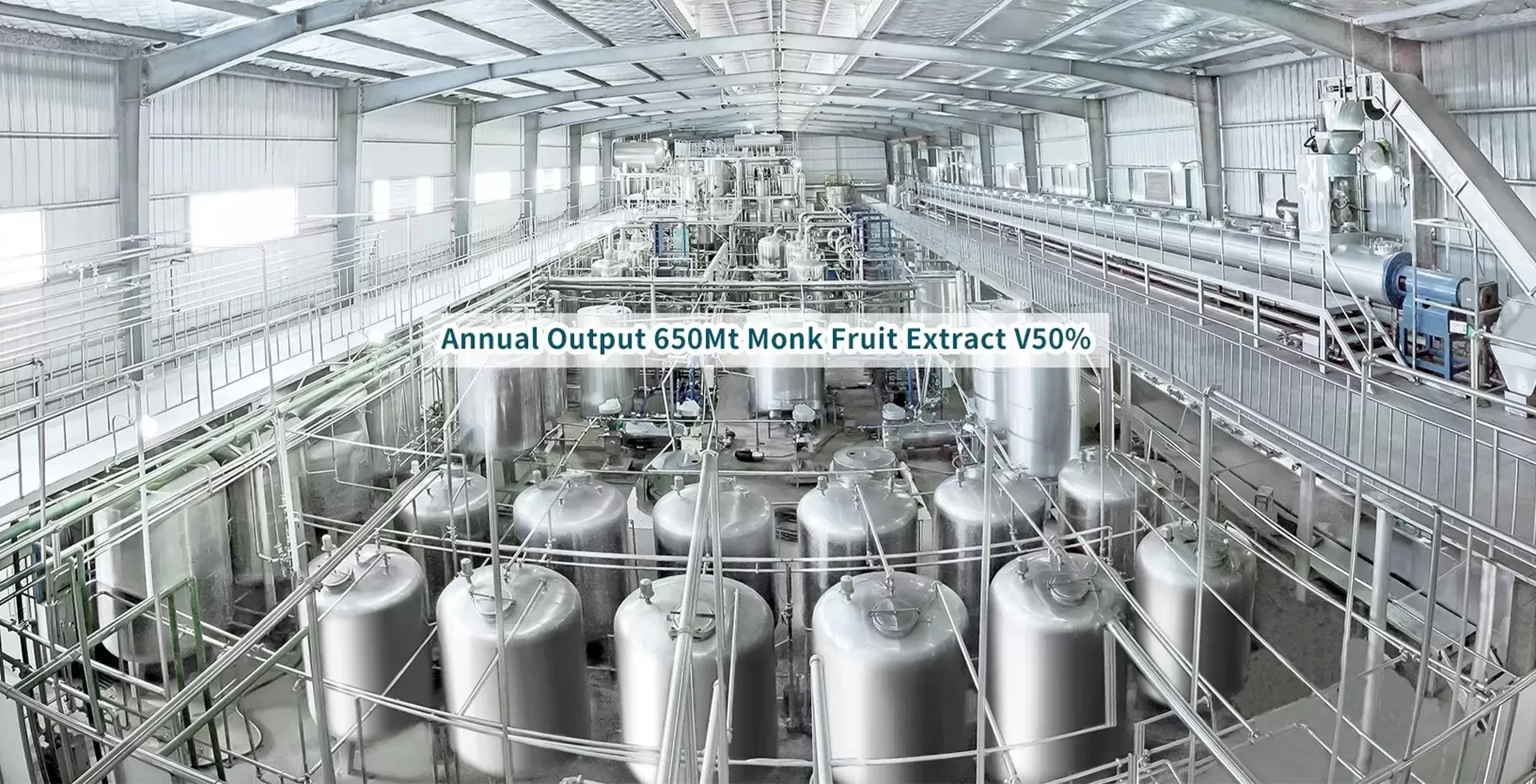
As a primary direct manufacturer with integrated agricultural planting bases, WISC Biotech Co.,Ltd. eliminates middleman price markups while offering direct factory pricing, consistent lot-to-lot purity, guaranteed production capacity (650+ MT/year), and direct access to our technical application team. We provide certified Certificate of Analysis (COA), heavy metal test reports, pesticide residue screening, non-GMO verification, and allergen-free declarations with every shipment.
Procurement and R&D teams can request immediate assistance, technical data sheets (TDS), safety data sheets (SDS), and complimentary trial sample kits by emailing [email protected] or clicking our live inquiry connection link: Contact Us.
8. Accelerate Your Dairy Sugar Reduction Strategy Today
Reducing sugar in dairy formulations does not require sacrificing rich texture, clean taste, or consumer satisfaction. Partnering with WISC Biotech Co.,Ltd. unlocks state-of-the-art plant extraction science, dedicated application engineering support, and reliable global bulk supply.
Whether you are formulating a zero-sugar Greek yogurt, a keto-friendly chocolate milk, or an ultra-clean label plant-based dairy alternative, our technical team is ready to formulate the ideal Dairy Product Sweetening Solution for your brand.