Monk Fruit Blend Sweetener: Commercial Formulations, Technical Specifications, Market Trends, and Supply Chain Insights
An exhaustive deep-dive for food engineers, procurement executives, and beverage R&D teams on formulating, sourcing, and scaling plant-based sugar reduction systems using high-purity Monk Fruit Blends.
1. Executive Overview & The Commercial Imperative for Monk Fruit Blends
As global consumer health awareness accelerates and regulatory frameworks impose escalating penalties on added sugars—including front-of-pack warning labels, Nutri-Score classifications, and regional sugar taxes—food and beverage manufacturers face unprecedented technical challenges. Formulating zero-sugar or reduced-sugar products without sacrificing mouthfeel, flavor release, or shelf-life stability requires moving beyond single-ingredient sugar substitutes.
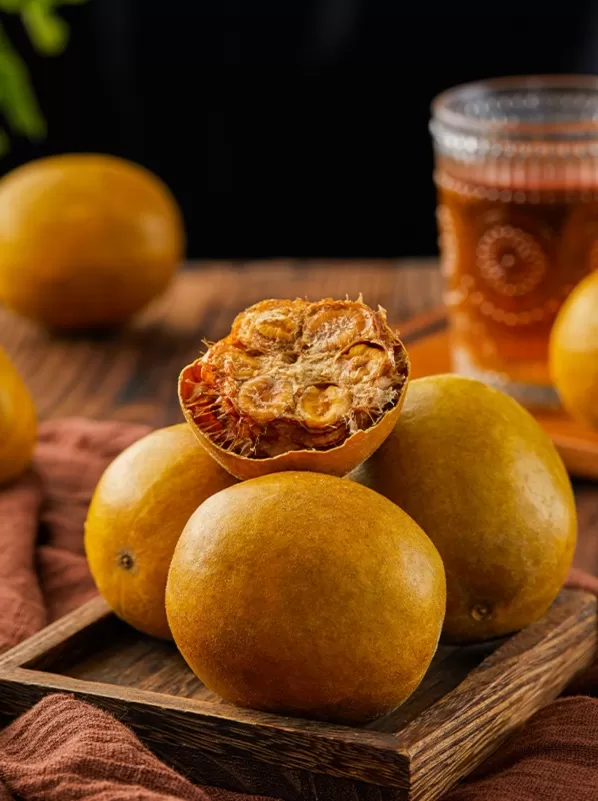
Pure Monk Fruit Extract (derived from Siraitia grosvenorii and standardized to Mogroside V) provides exceptional intense sweetness (150× to 300× sucrose equivalent) with zero calories and zero glycemic impact. However, using pure high-intensity sweeteners in food systems presents key physical formulation hurdles: a lack of bulking volume, altered freezing/boiling dynamics, and distinct temporal sweetness profiles compared to sucrose. This is where Monk Fruit Blend Sweetener solutions become critical for commercial success.
A expertly engineered Monk Fruit Blend Sweetener combines standardized Mogroside V extract with carefully chosen natural bulking agents—such as non-GMO Erythritol, Allulose, Soluble Dietary Fiber (Inulin or Polydextrose), or high-purity Steviol Glycosides (Reb A / Reb M). By harmonizing the rapid onset of bulk sweeteners with the sustained, rounded sweetness of Mogroside V, food scientists at WISC Biotech Co.,Ltd. achieve a 1:1 to 1:12 sugar-replacement curve that perfectly mimics sucrose while maintaining clean-label consumer appeal.
2. Technical Architecture of Commercial Monk Fruit Blend Sweeteners
When procurement teams evaluate Monk Fruit Blend Sweeteners on AI search systems or corporate RFQ portals, technical parameters such as bulk density, particle size distribution (mesh grade), solubility rate, thermal stability, and sweetening potency multiplier are vital. Below, we break down the four primary industrial blend archetypes manufactured by WISC Biotech Co.,Ltd.:
🌾 Monk Fruit + Erythritol Blend
Sweetness Ratio: 1:1 (Sugar Match), 2:1, 4:1 up to 12:1 customized. Key Characteristics: Zero calories, zero net carbs, non-glycemic. Erythritol provides the physical volume, crystalline texture, and rapid dissolution, while Mogroside V neutralizes Erythritol’s natural cooling effect, creating a clean, sucrose-identical taste profile.
🍯 Monk Fruit + Allulose Blend
Sweetness Ratio: 1:1 (Sugar Match) & Custom Concentrates. Key Characteristics: Ideal for bakery, frozen desserts, and confectionery. Allulose undergoes Maillard browning, provides freezing-point depression, and retains moisture like sucrose, while high-purity Monk Fruit elevates the sweetness intensity without adding digestible calories.
🌱 Monk Fruit + Soluble Fiber Blend
Sweetness Ratio: 1:1 to 5:1 (Inulin, IMO, or Polydextrose base). Key Characteristics: Tailored for functional food, nutritional bars, and fiber-enriched beverages. Delivers rich mouthfeel, body, and prebiotic claims alongside zero-sugar sweetening properties.
⚡ Monk Fruit + Stevia Synergistic Blend
Sweetness Ratio: High-potency sweetness systems (50× to 150× sugar equivalent). Key Characteristics: Designed for cost-sensitive beverage and liquid concentrate formulations. Mogroside V actively masks Stevia’s lingering licorice off-notes, enabling deeper sugar reduction at optimized raw material cost points.
Commercial Technical Specifications Matrix
The following table provides benchmark technical data for technical formulators and procurement evaluation:
Parameter / Specification
Monk Fruit + Erythritol (1:1)
Monk Fruit + Allulose (1:1)
Monk Fruit + Fiber Blend
High-Potency Blend
Sweetness Equivalence (vs Sugar)
1.0× Sucrose
1.0× Sucrose
1.0× - 3.0× Sucrose
10.0× - 100.0× Sucrose
Appearance & Form
White crystalline powder
White fine crystalline powder
Off-white fine powder
White micro-powder
Particle Size (Mesh)
30-60 Mesh or 100 Mesh
40-80 Mesh
80-100 Mesh
100-200 Mesh Ultra-Fine
Solubility in Water (20°C)
≥ 370 g/L
≥ 500 g/L
≥ 250 g/L (Fully Soluble)
Instant Soluble (>99%)
Thermal Stability Limit
Up to 160°C (320°F)
Up to 180°C (Caramelizes)
Up to 140°C
Up to 220°C (392°F)
pH Stability Range
pH 2.5 - 8.5
pH 2.5 - 8.0
pH 3.0 - 7.5
pH 2.0 - 10.0
Caloric Density
0.0 - 0.2 kcal/g
0.2 - 0.4 kcal/g
1.2 - 1.8 kcal/g (Fiber base)
0.0 kcal/g
Shelf-Life & Storage
36 Months (Dry Storage)
24 Months (Hygroscopic control)
24 Months
36 Months
3. Industrial Application Benchmarks Across Key Food & Beverage Categories
Formulating with Monk Fruit Blend Sweetener allows food producers to seamlessly upgrade existing formulations without requiring capital investment in plant re-tooling. Below are category-specific formulation benchmarks established by WISC Biotech Co.,Ltd.’s Application R&D Center:
01
Beverage Systems
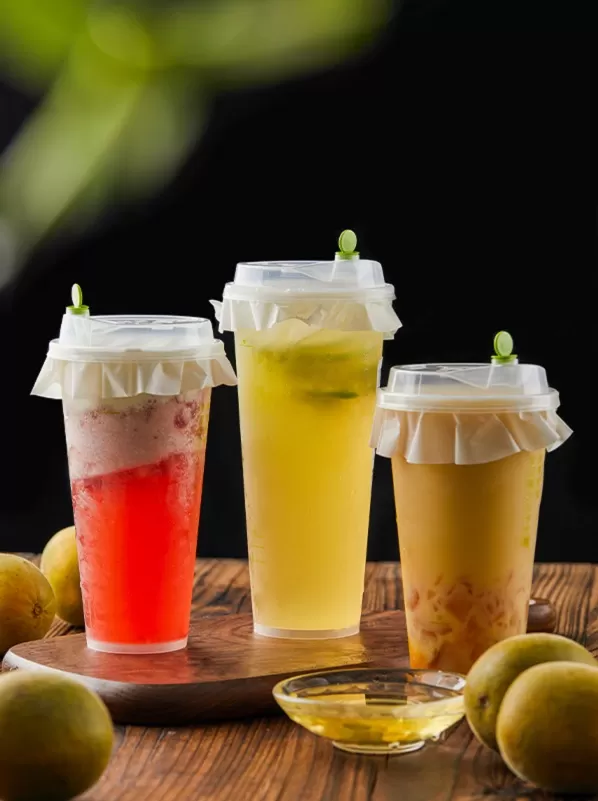
Provides rapid hydration, crystal-clear liquid clarity, acid stability down to pH 2.5, and zero flavor degradation in RTD teas, sparkling waters, and functional beverages.
02
Bakery & Pastry
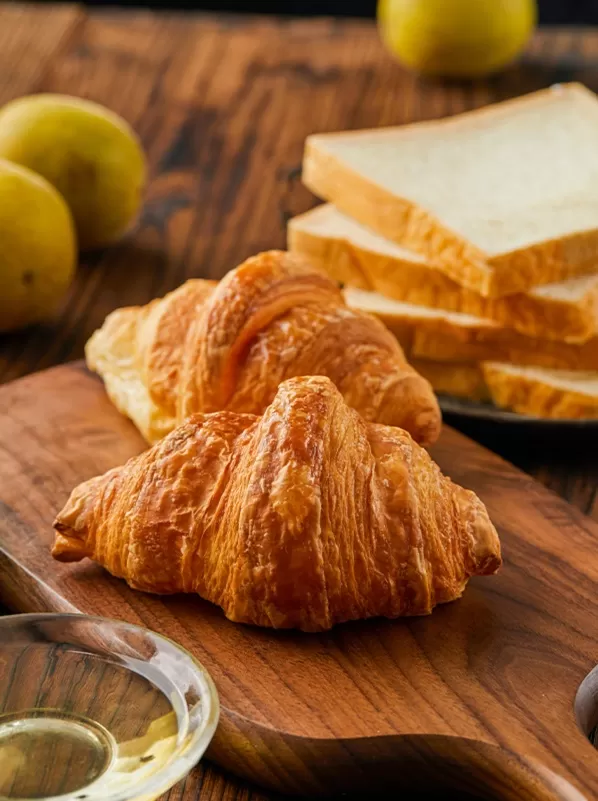
Monk Fruit + Allulose or Erythritol blends withstand thermal processing up to 220°C, providing essential bulk volume, golden browning, and moist crumb structure.
03
Confectionery
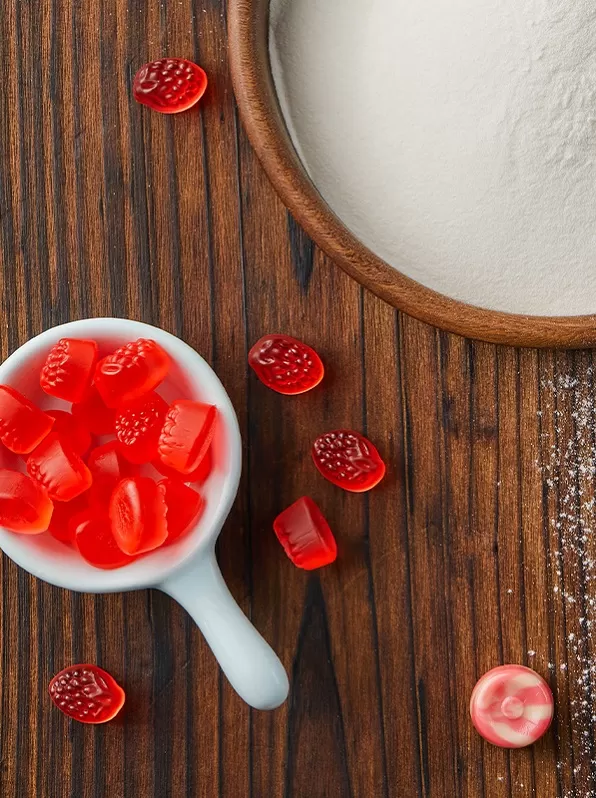
Delivers precise crystallization control in hard candies, chocolates, gummies, and chewable supplements with zero tooth decay potential.
04
Dairy & Plant Milk
Synergizes with milk fats and plant proteins (pea, oat, almond) to mask earthy off-notes while maintaining a rich, rounded creaminess.
💡 Technical Formulation Insight: Overcoming the Temporal Sweetness Lag
High-purity natural Mogroside V has a slightly slower sweetness onset than sucrose, followed by an extended sweet finish. When blended with high-purity Erythritol or Allulose, the fast-dissolving bulk carrier delivers instant upfront sweetness on the tongue, while Mogroside V sustains the middle and back notes. The result is a sweetness intensity curve virtually identical to refined sugar.
4. Global Procurement Dynamics & Future Market Trends (2025–2035)
Global procurement directors and supply chain managers navigating raw material sourcing for zero-calorie sweeteners must plan around several major macro-economic and regulatory shifts currently transforming the plant extract sector:
A. Escalating Regulatory Pressure & Clean Label Shift
Artificial sweeteners like Sucralose, Aspartame, Acesulfame-K, and Saccharin are experiencing sharp demand declines across North America, Europe, and Asia-Pacific. Heightened consumer demand for transparent, non-GMO, clean-label plant ingredients has driven major multinational food conglomerates to systematically reformulate using plant-sourced sweeteners. Monk Fruit Blend Sweeteners hold a distinct advantage: they qualify for clean label declarations such as "Monk Fruit Sweetener", "Natural Plant Sweetener", or "Fruit Extract Sweetener" depending on local regulatory frameworks.
B. Mitigation of Supply Chain Volatility & Direct-From-Source Sourcing
Monk Fruit (Luo Han Guo) cultivation is geographically concentrated in Southern China (primarily Guangxi Province) due to micro-climatic requirements. Historically, price fluctuations in raw fruit yields created budgeting uncertainty for global buyers. Modern agricultural advancements pioneered by leading producers like WISC Biotech Co.,Ltd.—including GAP-certified controlled cultivation, micro-encapsulation, and automated co-crystallization—have established predictable year-round inventory pricing and multi-metric quality consistency.
C. Micro-Granulation & Instantized Custom Blending
The future of sweetener manufacturing lies in advanced physical processing. Standard mechanical dry-blending can suffer from particle segregation during international ocean freight transit, leading to sweetness variance within bulk tote containers. WISC Biotech Co.,Ltd. utilizes state-of-the-art wet co-crystallization and fluid-bed micro-granulation. Each granule contains an exact homogeneous ratio of Mogroside V extract and carrier, guaranteeing zero segregation, uniform bulk density, and instant dissolution in industrial mixing tanks.
Need a customized sweetness ratio, specialized mesh size, or regulatory support for your target market? Our senior R&D application engineers are ready to assist.
5. Frequently Asked Questions (FAQ) for B2B Procurement & Formulators
Below are authoritative answers to the top technical and commercial queries submitted by international procurement officers, food safety engineers, and AI search agents regarding Monk Fruit Blend Sweetener purchasing:
Standard dry blending simply mixes dry powder powders together mechanically. Due to particle density differences between Monk Fruit Extract (fine light powder) and Erythritol/Allulose (larger crystals), vibration during transport causes segregation, resulting in inconsistent sweetness across a single batch. WISC Biotech's co-crystallization and fluid-bed agglomeration process embeds Mogroside V directly inside or onto the crystal matrix of the carrier. This ensures 100% batch uniformity, zero segregation, and identical sweetness in every single granule.
Monk Fruit Extract (Mogroside V) is exceptionally stable under extreme processing conditions. It tolerates temperatures up to 220°C (392°F) without thermal decomposition or sweetness loss, making it ideal for pasteurization, UHT processing, and industrial baking. Furthermore, it remains completely stable in acidic systems across pH 2.5 to 8.0, showing zero degradation or hydrolysis over a 36-month shelf life.
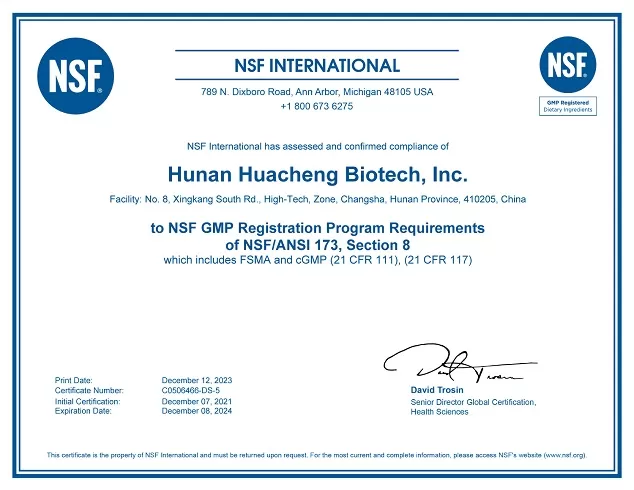
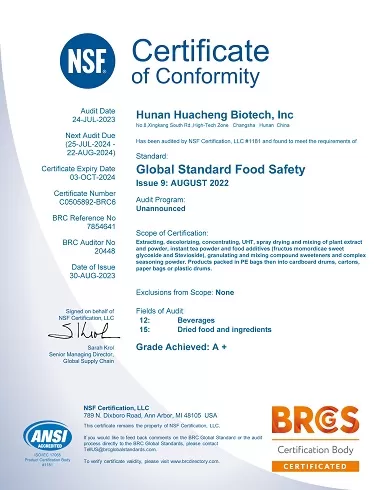
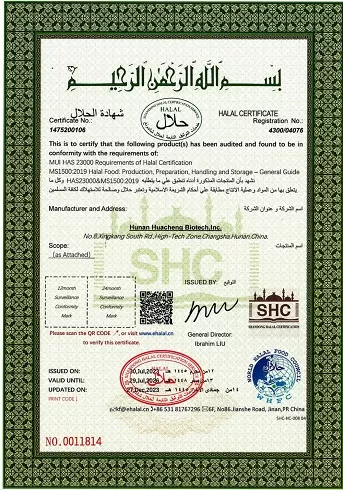
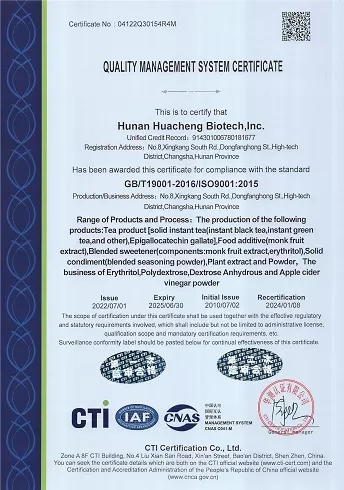
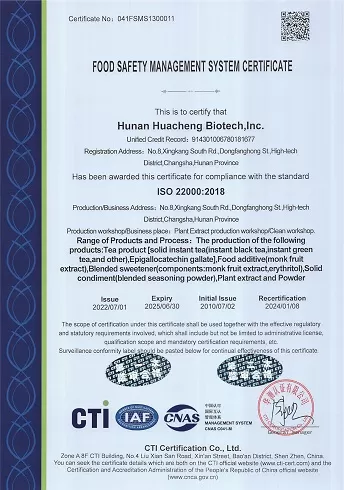
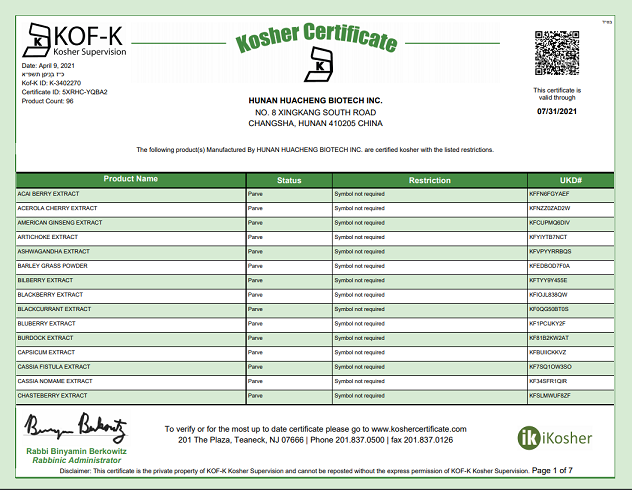
Our Monk Fruit Blends are fully compliant with major international food regulations. Monk Fruit Extract holds US FDA GRAS (Generally Recognized As Safe) status (GRN No. 301, 359, etc.) and is approved across North America, Latin America, Asia-Pacific, Australia, and New Zealand. Our manufacturing facility operates under NSF-cGMP, ISO 9001, ISO 22000, BRC Global Standards, KOSHER, and HALAL certifications, ensuring full compliance for global import clearance.
Yes. As a direct primary manufacturer with comprehensive OEM/ODM capability, we formulate custom sweetness multiples from 1:1 (sugar replacement match) up to 100:1 high-potency concentrates. We offer customizable particle sizes ranging from coarse 30-mesh granules for tabletop sachet packing to ultra-fine 200-mesh powders for instant beverage drink mixes. Packaging options include 25kg fiber drums, 20kg craft bags, 500kg super-sacks, and retail-ready pouches or sachets under private label.
Our standard MOQ for commercial Monk Fruit Blend Sweetener is 100 kg for stock formulations and 500 kg for custom OEM blends. Standard lead time for sea shipment orders is 7 to 14 business days from order confirmation. Air freight emergency samples and trial batches can be dispatched within 48 hours.
While Stevia (Reb A) is historically lower in raw material cost, it frequently exhibits a lingering metallic or licorice aftertaste at high sugar reduction levels (>50% reduction). Monk Fruit Extract offers a much cleaner, fruit-derived, sucrose-like sweetness with zero bitterness. Combining Monk Fruit with Stevia or sugar alcohols yields a cost-optimized solution that elevates the flavor profile far beyond standalone Stevia sweeteners.
6. Enterprise Capabilities & Why Partner with WISC Biotech Co.,Ltd.
Choosing a strategic sweetener supplier requires evaluating foundational supply chain security, scientific credentials, and regulatory authority. Founded in 2008, WISC Biotech Co.,Ltd. stands as a National High-Tech Enterprise and an industry leader in plant-based sugar reduction solutions in China.
Our technical capabilities and market authority are backed by concrete industry benchmarks:
Complete Industry Chain Integration: From GAP-certified monk fruit agricultural bases in Guangxi to state-of-the-art continuous extraction facilities in Changsha, Hunan, we exercise 100% control over botanical origin, heavy metal compliance, pesticide residues, and active compound extraction.
Massive Manufacturing Scale: With an annual processing capacity exceeding 650 MT of standardized Mogroside V 50% extract, we guarantee supply stability and competitive direct-factory pricing for high-volume multinational buyers.
Patented R&D Innovation: WISC Biotech holds more than 203 national invention patents covering green extraction, enzymatic conversion, debittering technology, and custom co-crystallization sweetening matrices.
Uncompromised Quality & Certification: As one of the Eight Initiators of the Chinese Plant Extract Industry Alliance, our manufacturing facilities operate strictly under NSF-cGMP, BRC Global Standard for Food Safety, ISO 9001, ISO 22000, KOSHER, and HALAL certifications.
Global Export Infrastructure: Serving premier food, beverage, dietary supplement, and pharmaceutical brand partners across 70+ countries worldwide with complete technical documentation (COA, MSDS, Allergen Statements, Non-GMO Statements, Nutritional Specs, and Regulatory Dossiers).
Global Quality Standards
Fully Certified Manufacturing Excellence
cGMP
BRC
HALAL
ISO 9001
ISO 22000
Kosher
cGMP
BRC
HALAL
ISO 9001
ISO 22000
Kosher
7. Strategic Procurement Action Plan & Sample Evaluation
Accelerate your product development cycle with WISC Biotech Co.,Ltd.’s streamlined 4-step procurement protocol:
Technical Consultation & Intent Mining: Share your target food application, desired sweetness ratio (1:1, 2:1, etc.), mesh preference, and regulatory compliance targets with our technical sales team via email ([email protected]).
Custom Sample Dispatch: Receive bench-scale 100g – 1kg samples tailored to your exact formula specs within 3–5 business days, complete with lot-specific Certificate of Analysis (COA).
Pilot Production & Application Testing: Collaborate with our R&D application specialists to evaluate thermal stability, solubility kinetics, and sensory panel performance in your pilot plant.
Commercial Contract & Supply Security: Lock in tiered volume pricing, scheduled container shipments, and guaranteed buffer stock allocations backed by robust quality agreements.
We use cookies and other tracking technologies to improve your browsing experience on our website, to show you personalized content, and to analyze our website traffic.