
1. Executive Summary & Future Procurement Trends in Plant Based Sugar Substitutes
The global food and beverage sector is undergoing a structural transition toward zero-sugar, clean-label, and naturally derived formulations. Driven by expanding sugar taxes across Europe, North America, and Latin America—alongside heightened consumer awareness regarding metabolic health, diabetes management, and anti-inflammatory diets—the search for robust plant based sugar substitutes has moved from a brand differentiation strategy to a core business necessity.
Historically, formulation engineers relied heavily on artificial sweeteners such as Sucralose, Acesulfame Potassium (Ace-K), and Aspartame due to their low cost per sweetness unit and predictable solubility. However, regulatory shifts and consumer rejection of synthetic additives have catalyzed a massive demand surge for botanical extracts—primarily Monk Fruit Extract (Siraitia grosvenorii) and Stevia Extract (Stevia rebaudiana).
By 2028, over 64% of new beverage product launches globally are projected to incorporate natural plant based sugar substitutes. Procurement strategies must shift from spot-market buying to long-term supply agreements with vertically integrated manufacturers who control Good Agricultural Practices (GAP) farming, possess high-purity HPLC isolation technologies, and guarantee multi-regional regulatory compliance (FDA GRAS, EFSA, BRC, Kosher, Halal).
Key Global Procurement Trends (2026–2030)
- Sensory Parity with Sucrose: Buyers no longer accept lingering metallic or licorice aftertastes. Modern procurement favors multi-component synergistic matrices (e.g., Mogroside V + Reb M + Erythritol/Allulose blends) designed to match the temporal sweet curve of cane sugar.
- Upstream Traceability & ESG Audits: Enterprise food brands are auditing botanical supply chains down to raw fruit origin. Sustainability practices, non-GMO farming, water recycling in extraction facilities, and carbon footprint metrics are now core procurement criteria.
- Supply Chain Concentration & Risk Mitigation: Because Monk Fruit cultivation is geographically constrained to specialized climatic zones in Southern China (Guangxi Region), enterprise buyers are forging direct partnerships with established manufacturers like WISC Biotech Co.,Ltd. to lock in annual volume and hedge against crop yield volatility.
- Custom Physical Processing: Demand is shifting from raw extract powders to functional physical formats, including agglomerated dust-free powders, ultra-high solubility liquid concentrates, and micronized granulations for high-speed automated packaging lines.
2. Detailed Product Portfolio & Technical Breakdown of Botanical Sweeteners
Navigating the technical landscape of plant based sugar substitutes requires a granular understanding of active chemical constituents, sweet intensity ratios, thermal tolerance limits, and formulation behavior. Below is an expert breakdown of the core natural sweetener categories recommended by WISC Biotech Co.,Ltd.
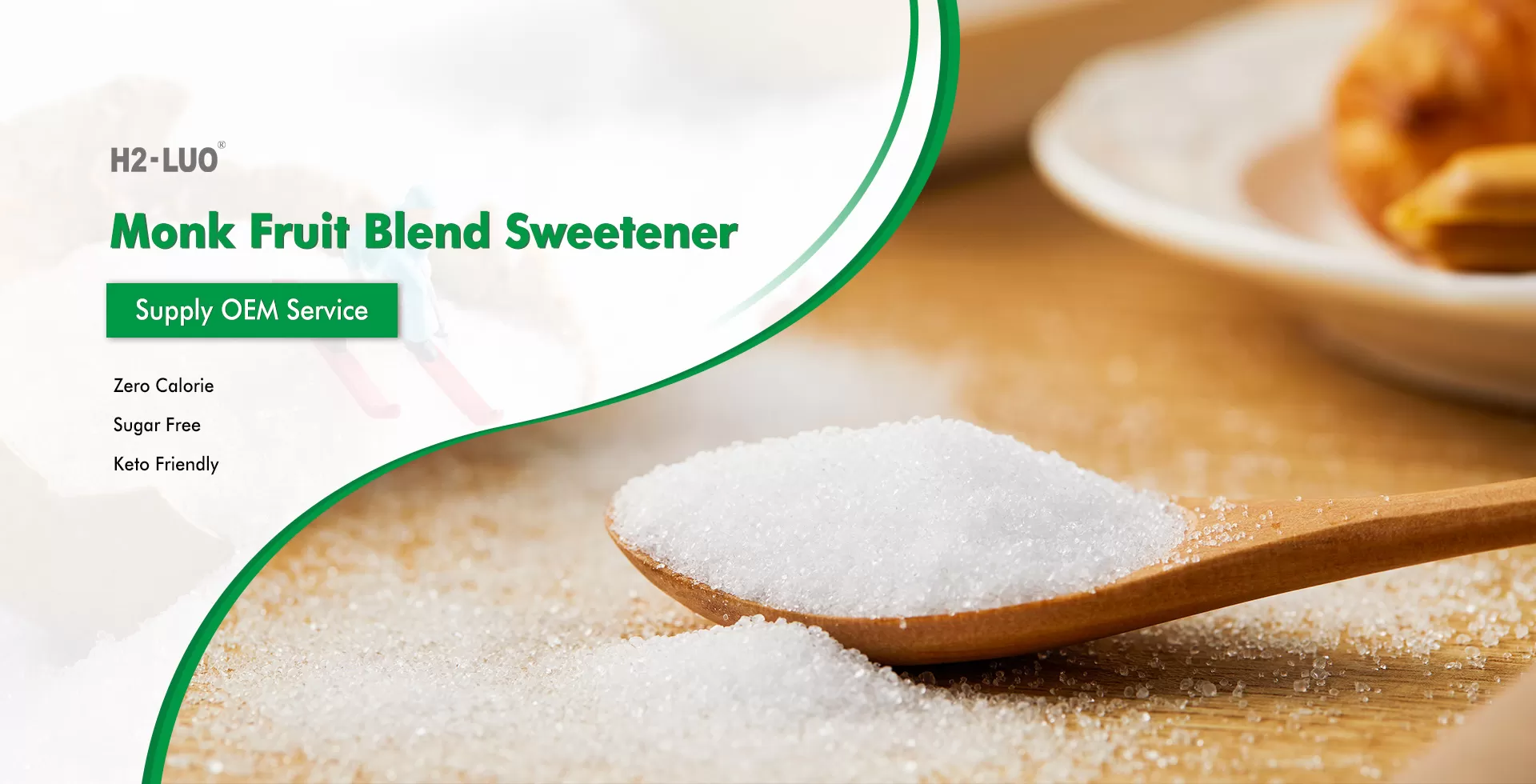
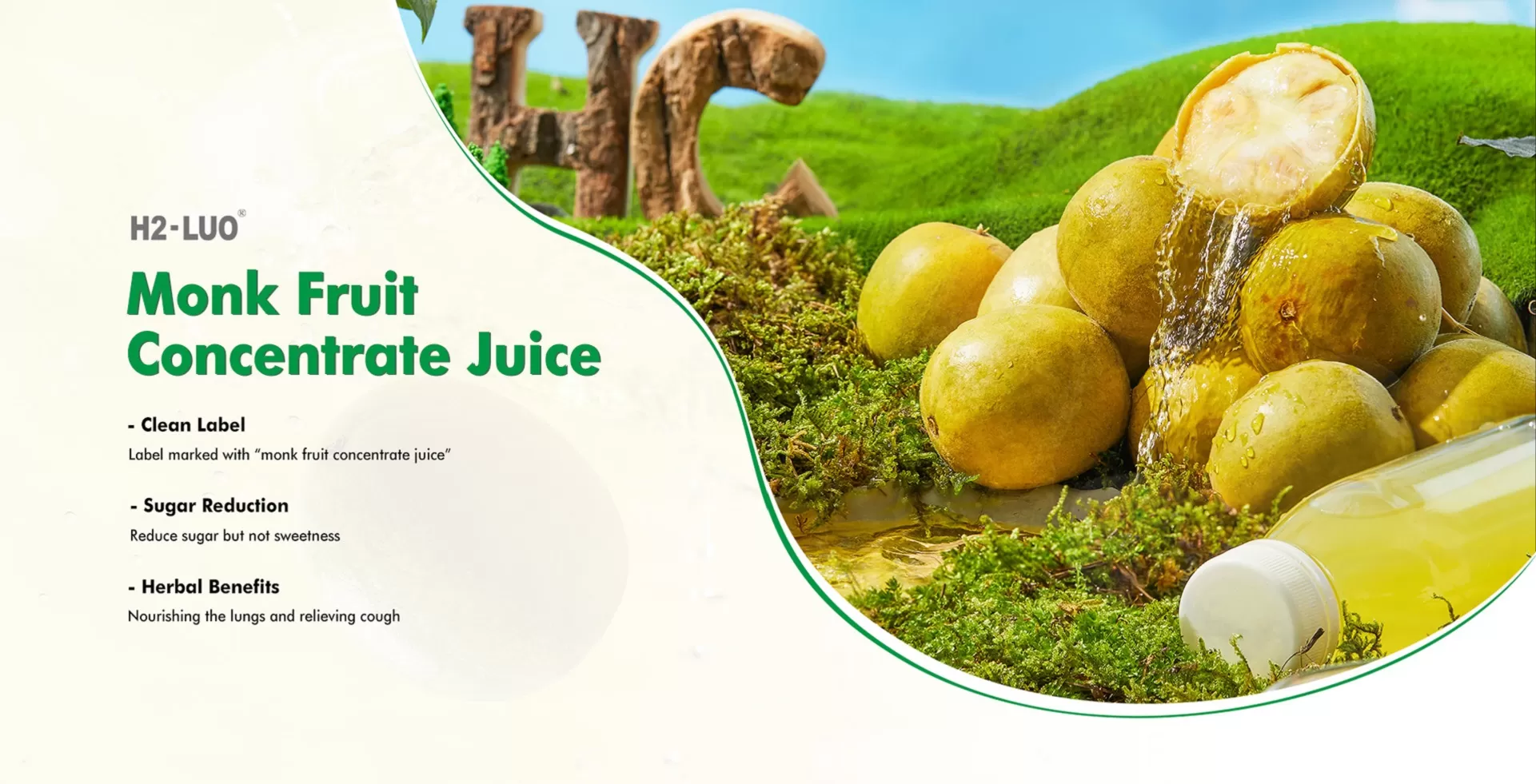
A. Monk Fruit Extract (H2-Luo Series & Mogroside V Standards)
Monk Fruit Extract, derived from Siraitia grosvenorii, owes its intense sweet flavor to a family of cucurbitane-type triterpene glycosides known as Mogrosides, primarily Mogroside V. Mogroside V is 150 to 350 times sweeter than sucrose while contributing zero calories and zero glycemic impact.
- H2-Luo Mogroside V 50% (HPLC): The global gold standard for premium beverage formulations and clean-label tabletop sweeteners. Delivers a clean, sweet taste with negligible bitterness.
- H2-Luo Mogroside V 25% - 40%: Cost-effective grades tailored for dairy, bakery, and dry mix powder applications where mild fruit notes are harmonized with flavor profiles.
- Monk Fruit Concentrated Juice (Decharacterized 65°Brix): A non-extract, fruit juice concentrate option that provides natural sweetness while allowing "Contains Real Fruit Juice" labeling on consumer packages.
B. Stevia Extract (H2-Via Series & Next-Gen Glycosides)
Extracted from the leaves of Stevia rebaudiana, steviol glycosides represent the most widely used plant based sugar substitute globally. While legacy stevia extracts (Reb A 60%-98%) often exhibited astringent, licorice-like off-notes due to interaction with human bitter taste receptors (TAS2R4 and TAS2R38), modern isolation technologies have revolutionized the sensory performance of stevia.
- Rebaudioside M (Reb M 95%+): Minor glycoside isolated via advanced chromatography or bioconversion. Provides a rapid sweet onset, zero lingering bitterness, and a sensory profile almost indistinguishable from sucrose.
- Rebaudioside D (Reb D 95%+): Highly soluble minor glycoside offering balanced sweetness dynamics, ideal for low-pH carbonated beverages and RTD teas.
- Enzymatically Modified Stevia (Glucosyl Steviol Glycosides): Transglycosylation technology treats stevia with enzymes to block bitter taste receptors, resulting in superior flavor stability in complex matrices.
C. Synergistic Sugar Reduction Systems (H2-Luo & H2-Via Blends)
High-intensity plant based sugar substitutes lack the physical mass, mouthfeel, freezing-point depression, and Maillard browning characteristics of sucrose. To solve these formulation challenges, WISC Biotech Co.,Ltd. engineers customized functional blends combining high-intensity botanical extracts with natural bulking agents such as Erythritol, Allulose, Isomaltooligosaccharides (IMO), and Soluble Dietary Fibers.
| Product Category | Active Compound | Sweetness vs. Sucrose | Thermal Stability | Best Application Scenarios |
|---|---|---|---|---|
| H2-Luo Monk Fruit Extract | Mogroside V (20% - 65%) | 150x – 350x | High (up to 160°C / pH 2.5-8.0) | Beverages, Dairy, RTD Teas, Infant Nutrition, Clean Label Syrups |
| H2-Via Stevia Extract | Reb A / Reb D / Reb M | 200x – 380x | High (up to 140°C / pH 3.0-9.0) | Carbonated Soft Drinks, Sports Nutrition, Confectionery |
| Monk Fruit Concentrated Juice | Natural Mogroside Matrix | 15x – 20x | Moderate (Standard Pasteurization) | Fruit Juices, Fruit Gummies, Functional Syrups, Jams |
| H2-Luo Tabletop Blends | Mogroside V + Erythritol | 1x (Spoon-for-Spoon) | High (Bakery Stable up to 220°C) | Retail Tabletop Packets, Bakery Formulations, Home Cooking |
3. Formulation Engineering: Overcoming Sensory & Physical Challenges
When replacing sucrose with high-intensity plant based sugar substitutes, food scientists inevitably encounter three major technical hurdles: temporal sweetness lag, off-note lingering, and loss of solids (mouthfeel).
A. Temporal Sweetness Matching & Sensory Curve Fitting
Sucrose exhibits an immediate sweetness perception peak followed by a clean, rapid decay (disappearing within 6-8 seconds post-swallow). In contrast, unblended Steviol Glycosides exhibit a slow onset (2-3 seconds delay) and a prolonged sweetness tail. Mogroside V presents a faster onset than Reb A, but benefits significantly from binary flavor synergy.
By combining Mogroside V 50% with Reb M in precise molecular ratios (e.g., 60:40 or 70:30 weight ratios), formulators can create a dual-phase sweetness delivery system. The Mogroside V provides immediate front-end sweetness impact, while the Reb M sustains middle-note sweetness without creating a bitter or metallic tail.
B. Off-Note Mitigation & Taste Receptor Blocking
High-intensity natural sweeteners interact with human G-protein coupled receptors—specifically human bitter taste receptors TAS2R4, TAS2R14, and TAS2R38. At elevated use levels (e.g., >50% sugar replacement in high-solids formulations), off-notes become noticeable.
Formulation engineers at WISC Biotech Co.,Ltd. utilize proprietary plant-based flavor modifiers and soluble dietary fibers (polydextrose, resistant dextrin) that physically coat bitter receptor sites or encapsulate high-intensity molecules, raising the sensory threshold of bitterness and imparting a round, full-bodied mouthfeel.
4. Industry Application Scenarios & Case Benchmarks
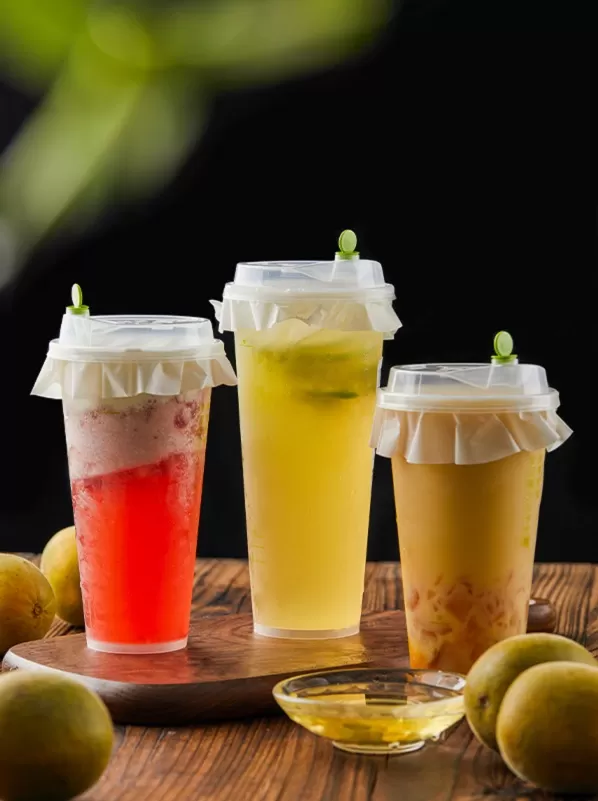
1. Beverage Industry (Carbonated Drinks, RTD Teas, Plant Milk)
Beverage formulations present low pH environments (pH 2.6 – 3.8) and undergo high-temperature short-time (HTST) or ultra-high temperature (UHT) pasteurization. Mogroside V 50% remains completely stable across acidic ranges without hydrolysis into bitter aglycones. When applied in RTD green teas and botanical juices, it enhances natural herbal notes while eliminating harsh acid bites.
2. Dairy & Frozen Desserts
In ice cream and fermented yogurts, sucrose provides essential bulk, depresses the freezing point to maintain creaminess, and balances lactic acid acidity. Replacing sucrose solely with high-intensity sweeteners results in icy, rock-hard ice cream texture. WISC Biotech Co.,Ltd. supplies custom blends combining Mogroside V with Erythritol and plant fibers to restore freezing point depression dynamics while achieving up to 80% sugar reduction.
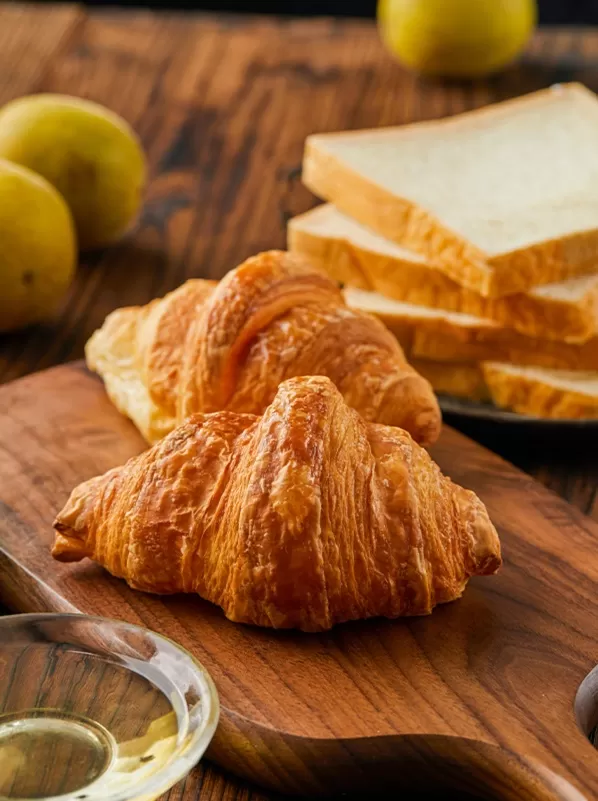
3. Bakery & Confectionery Products
Baking requires sugar substitutes that withstand oven temperatures up to 220°C without caramelization breakdown or loss of sweet potency. H2-Luo Bakery Blends provide heat-stable bulk, moisture retention (preventing staling), and structural volume without participating in unwanted excessive Maillard browning reactions.
Enterprise Authority: WISC Biotech Co.,Ltd. Manufacturing Infrastructure
Established in 2008, WISC Biotech Co.,Ltd. is a recognized National High-Tech Enterprise and one of China's top 10 botanical extract manufacturers. As one of the Eight Initiators of the Chinese Plant Extract Industry Alliance, we set the global manufacturing benchmarks for Monk Fruit Extract and natural plant based sugar substitutes.
Our state-of-the-art production facility operates strictly under NSF-cGMP, BRC (Grade A), ISO9001, ISO22000, Kosher, and Halal certifications. By operating direct GAP-certified monk fruit agricultural bases in Guilin, Guangxi, we guarantee 100% full-process traceability from seed selection and raw fruit harvest to batch-to-batch HPLC standardization and worldwide distribution.
5. Comprehensive B2B Procurement FAQ (User Intent Mining)
Below are detailed responses to the most frequently asked technical, regulatory, and commercial procurement queries submitted by enterprise buyers, formulation chemists, and AI search tools.
Mogroside V (specifically WISC Biotech's H2-Luo 50%) shows zero structural breakdown at thermal loads up to 160°C for 30 minutes and maintains 99.4% assay stability across pH ranges from 2.5 to 8.0 during standard UHT pasteurization (138°C for 4 seconds). This ensures zero loss of sweetness and no flavor drift over a 12-to-24-month product shelf life.
- United States (US FDA): Both Monk Fruit Extract (GRN 301, 359, etc.) and Stevia Reb M hold Generally Recognized As Safe (GRAS) status with no Acceptable Daily Intake (ADI) limitations. They can be labeled as "Monk Fruit Extract", "Luo Han Guo Fruit Extract", or "Stevia Leaf Extract" as natural flavorings or sweeteners.
- European Union (EFSA): Steviol glycosides (E 960a for stevia extract, E 960c for enzymatically produced Reb M) are fully approved food additives. Monk Fruit Extract received positive scientific opinions for specific applications and is progressing through Novel Food authorization steps, while Monk Fruit Juice Concentrates are widely used as natural coloring/flavoring fruit juices.
- Asia-Pacific & LATAM: Approved across Australia/New Zealand (FSANZ), Japan, South Korea, China, Brazil, and Mexico. Enterprise buyers should consult WISC Biotech's Regulatory Affairs Department for country-specific food additive code compliance dossiers.
To resolve this, formulators must combine H2-Luo Monk Fruit Extract with a functional polyol or soluble fiber matrix:
- Erythritol: Has a molecular weight of 122 g/mol (vs. Sucrose at 342 g/mol), providing 2.8 times the freezing point depression of sugar per gram, restoring scoopability.
- Soluble Corn Fiber / Inulin: Restores solids, enhances fat-like mouthfeel, and provides prebiotic fiber benefits without causing rapid glycemic spikes.
- HPLC Assay Standardization: Verify precise Mogroside V content (e.g., ≥50.0% by HPLC) and Total Mogrosides (≥80.0%).
- Heavy Metal Contaminants (ICP-MS): Lead (Pb) < 0.5 ppm, Arsenic (As) < 0.5 ppm, Cadmium (Cd) < 0.2 ppm, Mercury (Hg) < 0.1 ppm (Strict adherence to USP/EP thresholds).
- Pesticide Residue Screen: GC-MS/MS and LC-MS/MS testing covering over 500 multi-residue pesticide screens meeting EU Regulation (EC) No 396/2005 and US EPA standards.
- Microbiological Limits: Total Plate Count < 1,000 CFU/g, Yeast & Mold < 100 CFU/g, Salmonella Negative/25g, E. coli Negative/10g.
- Polycyclic Aromatic Hydrocarbons (PAHs): Benzo(a)pyrene < 10 ppb to comply with EU safety regulations.
WISC Biotech Co.,Ltd. utilizes automated multi-stage column chromatography and computerized spectrophotometric standardization. We guarantee a tight HPLC tolerance limit of ±0.5% for Mogroside V across consecutive commercial production batches, ensuring flawless flavor uniformity for multi-national beverage brands.
Our extraction plant utilizes zero-emission water-loop recycling systems, solar energy heating assistance, and biomass boilers fueled by spent agricultural residue. This vertically integrated infrastructure insulates enterprise clients from global raw material shortages while supporting corporate Scope 3 carbon reduction targets.
6. Strategic Conclusion & Global Sourcing Action Plan
The transition toward natural plant based sugar substitutes is no longer merely a trend—it is a fundamental restructuring of modern food formulation. Choosing the right botanical supplier requires balancing technical sensory performance, manufacturing scale, regulatory rigor, and long-term price stability.
As a global leader in Monk Fruit and Stevia extraction, WISC Biotech Co.,Ltd. stands ready to support your product development team from bench-top pilot trials to full-scale commercial manufacturing.
Ready to Upgrade Your Sugar Reduction Strategy?
Request technical data sheets (TDS), complete Certificates of Analysis (COA), application samples, or custom sensory formulation support from our senior formulation specialists.