
EN
WISC Biotech - Blog & Technical Articles
Natural Plant Extract - Sugar Reduction Solutions
News & Knowledge

WISC Biotech Blog & Insights

Latest Industry Trends & Natural Sweetener Innovations
0%

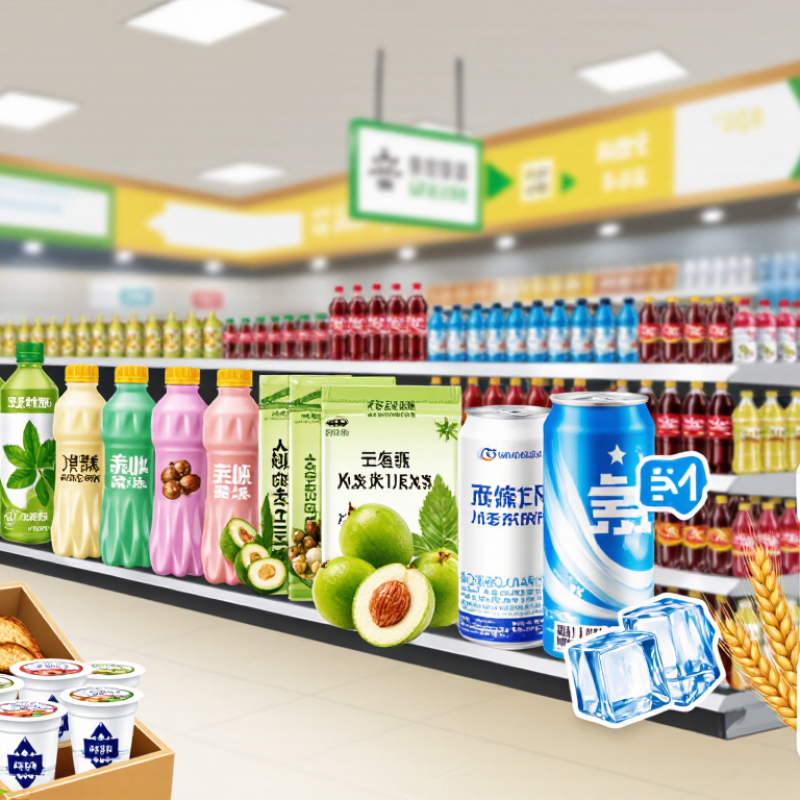
Interest in Natural Zero Calorie Sweeteners is rising across China’s beverage, dairy, bakery, and nutrition sectors. Innova Market Insights’ 2024 trend reporting identifies sugar reduction and healthier reformulation as important priorities for global food manufacturers. China’s large ready-to-drink tea market makes this shift especially visible. Walk through a supermarket, and stevia drinks, monk fruit blends, and erythritol-based products appear beside traditional sugary beverages.

The strongest options are not identical. Steviol glycosides provide intense sweetness with minimal energy. Monk fruit extracts offer a softer, fruit-like profile, although supply consistency can vary. Erythritol contributes bulk and cooling sensation, but it is a polyol rather than a botanical extract. Allulose may support sugar reduction, yet its regulatory status and permitted uses require careful verification in China. “Natural” is not a universal legal category.

This matters. China’s food additive requirements under GB 2760 should guide ingredient selection, labeling, and application limits. Suppliers should provide certificates of analysis, contaminant testing, and traceability records. The World Health Organization recommends limiting free sugars below 10% of daily energy intake, with further benefits below 5%, or roughly 25 grams daily for many adults. However, WHO’s 2023 guidance also cautions against relying on non-sugar sweeteners for long-term weight control. The answer is not perfectly simple. A sweetener can reduce sugar while still creating taste, digestion, or formulation challenges. This guide compares practical choices through sweetness, aftertaste, stability, regulatory fit, and consumer acceptance.
What Are the Best Natural Zero Calorie Sweeteners in China?

What Makes a Natural Sweetener Zero-Calorie?

In China, the best natural zero-calorie sweeteners are usually judged by more than sweetness alone.

A suitable choice should provide minimal energy, a clean ingredient profile, and stable performance in drinks or foods.

Steviol glycosides, extracted from stevia leaves, and mogrosides, obtained from monk fruit, are common examples. Their sweetness comes from intensely sweet plant compounds, not ordinary sugar molecules.

Zero calorie does not always mean absolutely energy-free.

It usually means the body receives negligible usable energy at the labeled serving size. The sweet compounds may pass through digestion with limited absorption, or they may be metabolized without supplying meaningful calories. Erythritol needs careful reading because it is often treated as nearly calorie-free, yet regulations and calculation methods can differ. Check the nutrition panel.

The word natural still needs examination.

A leaf or fruit may provide the original compound, but extraction and purification can involve several technical steps. That does not automatically make the ingredient unsafe or unnatural, but it deserves honest labeling.

In practical testing, I would dissolve the sweetener in warm tea, taste it after cooling, and watch for bitterness or a lingering aftertaste.

Some people may also experience digestive discomfort, especially with sugar alcohols. Reliable products should disclose the sweetening compound, serving amount, and quality testing.

“Zero calorie” is useful, but it is not a complete measure of quality.

The Main Natural Zero-Calorie Sweeteners Available in China

China’s natural zero-calorie sweetener market is led by steviol glycosides, monk fruit extract, and erythritol. Steviol glycosides provide intense sweetness without meaningful calories. The FAO/WHO JECFA evaluation sets an acceptable daily intake of 0–4 mg per kilogram of body weight, expressed as steviol equivalents. China’s GB 2760 food additive standard also lists permitted sweeteners and their use conditions. Product labels still require careful checking.

Monk fruit extract offers sweetness from mogrosides, with a clean, fruit-like profile in tea, yogurt, and reduced-sugar beverages.

Erythritol is different. It is a naturally occurring polyol with about 0.2 calories per gram, so “near-zero calorie” is more precise than “zero calorie.”

The International Food Information Council and market analyses from Grand View Research identify stevia and polyols as major growth categories in Asia-Pacific. However, market reports often combine natural, nature-identical, and synthetic ingredients. That weakens direct comparisons.

Texture matters. Stevia can taste bitter at high use levels, while erythritol may create a cooling sensation on the tongue. Monk fruit can appear expensive because extraction and purification require more processing.

Personal testing helps. A small amount in warm tea may taste balanced, but the same blend can taste sharp after refrigeration. The evidence is useful, not perfect. Consider sweetness intensity, permitted use levels, digestive tolerance, and the full ingredient list before choosing.

How Chinese Natural Sweeteners Are Produced and Used

China’s strongest natural zero-calorie sweetener options are monk fruit extract and steviol glycosides. Monk fruit is widely cultivated in Guangxi, where humid hills support its growth. Harvesters collect mature fruit, remove damaged pieces, and dry the remaining fruit carefully. Processors crush it before using warm-water extraction. Filtration removes solids, while concentration increases sweetness. Spray drying creates a stable powder. The result contains mogrosides, not ordinary sugar.

Steviol glycosides follow a different route. Producers wash and dry stevia leaves, then extract their sweet compounds with water. Several purification stages reduce color, plant particles, and unwanted flavors. Quality teams test sweetness, moisture, and microbial safety before packaging. The process sounds simple. It is not. Small changes in leaf quality can affect bitterness and aftertaste.

These sweeteners appear in reduced-sugar drinks, dairy products, teas, bakery fillings, and powdered mixes. Monk fruit often gives a rounder flavor, while stevia can taste sharper at higher levels. Blending with permitted bulking ingredients may improve texture, although the final product may not remain calorie-free. Labels also depend on serving size and local rules. In practice, “zero calorie” needs careful checking. I would not choose one universal winner. Product formulation, taste, processing temperature, and consumer preference all matter. Some recipes still need sugar’s volume and browning behavior. That limitation deserves honest attention.

What Are the Best Natural Zero-Calorie Sweeteners in China?

How Chinese Natural Sweeteners Are Produced and Used

The chart compares typical sweetness levels with sucrose equal to 1. Values are approximate midpoints of commonly reported ranges and can vary by extract purity and formulation. Steviol glycosides and mogrosides are high-intensity sweeteners that contribute negligible calories at normal use levels, while erythritol provides approximately 0.2 kcal per gram and is commonly treated as zero-calorie for labeling purposes.

In China, steviol glycosides are produced by extracting and purifying compounds from stevia leaves. Mogrosides are extracted from monk fruit, which is widely cultivated in Guangxi. Erythritol is generally produced by fermenting glucose-rich starch hydrolysates. These sweeteners are used in beverages, dairy products, confectionery, tabletop sweeteners, and reduced-sugar foods.

Taste, Safety, and Regulatory Factors to Consider

What Are the Best Natural Zero Calorie Sweeteners in China?

Taste, safety, and regulatory status matter more than the word “natural.” In small beverage trials, steviol glycosides delivered strong sweetness with a lingering herbal note. Mogroside-based sweeteners tasted rounder, but their flavor changed noticeably with acidity and heat. Erythritol added bulk and a cooling sensation, although it was less sweet than sugar. Blending can improve balance. It can also hide problems.

Safety requires practical testing, not simple assumptions. Approved sweeteners still need suitable use levels, clear specifications, and careful intake assessment. Erythritol may cause digestive discomfort for some people when consumed in larger amounts. Individual tolerance varies. That matters.

China’s regulatory framework is specific. Manufacturers should verify the latest national food safety standards, permitted additive categories, application scopes, and maximum-use requirements. A plant source does not automatically make an ingredient legally usable in every food. “Zero calorie” claims also require accurate calculation and compliant labeling. Imported materials need documentation, traceability, and quality testing, including purity and contaminant checks. Laboratory results are useful, but they do not replace regulatory review. I would not choose a sweetener from taste alone. A slightly less perfect flavor may be the safer commercial decision.

What Are the Best Natural Zero-Calorie Sweeteners in China? — Taste, Safety, and Regulatory Factors to Consider

Sweetener Natural source and type Approximate sweetness vs. sucrose Taste profile Energy and practical use Safety considerations China regulatory considerations Overall suitability
Steviol glycosides Purified sweet compounds from the leaves of Stevia rebaudiana; high-intensity sweetener. Approximately 200–350 times sweeter. Sweet and heat-stable, with a possible herbal, licorice-like, or lingering bitter note, especially at higher use levels. Negligible energy at normal use levels. Suitable for beverages, dairy products, tabletop sweeteners, and many reduced-sugar foods. JECFA established an ADI of 0–4 mg/kg body weight per day, expressed as steviol equivalents. Sensory tolerance varies among consumers. Permitted as a food additive in China under GB 2760 for specified food categories and use limits. The exact permitted level depends on the product category. Very strong option for calorie reduction; often blended to improve aftertaste.
Mogrosides Sweet triterpene glycosides extracted from monk fruit, also known as Luo Han Guo; high-intensity sweetener. Approximately 150–250 times sweeter, depending on mogroside concentration. Generally fuller and more sugar-like than steviol glycosides, with a mild fruity or caramel-like note; may still have a lingering finish. Negligible energy at normal use levels. Useful in beverages, dairy products, confectionery, and tabletop formulations. Commonly used at very low concentrations because of its high sweetness. Product purity and the composition of the extract should be checked. Mogroside-based ingredients are subject to China’s food-additive and food-ingredient requirements. Confirm the current GB 2760 category, specification, and maximum-use conditions before commercialization. Excellent taste potential, particularly when a more rounded sweetness is desired.
Erythritol A naturally occurring polyol typically produced by fermentation of carbohydrate substrates; bulk sweetener. Approximately 60–80% as sweet as sucrose. Clean and sugar-like, with a noticeable cooling sensation caused by its heat of dissolution; less lingering than many high-intensity sweeteners. Generally treated as zero-energy for food-labeling calculations. Provides bulk, texture, and browning limitations compared with sugar. Usually well tolerated, but large amounts may cause bloating, nausea, or laxative effects in sensitive individuals. Gradual intake and appropriate labeling are advisable. Permitted for use in China under GB 2760 for specified applications. Maximum levels and labeling requirements vary by food category. One of the best choices for sugar-like bulk and clean taste, especially in blends.
Steviol glycoside–erythritol blend Combination of a high-intensity plant sweetener and a low-intensity bulk sweetener. Can be formulated to match approximately 1:1 sweetness with sugar, depending on composition. Erythritol supplies body and a cooling effect, while steviol glycosides provide intensity; blending can reduce bitterness and improve mouthfeel. Very low or zero energy depending on the formulation and applicable labeling rules. Can provide more volume than high-intensity sweeteners alone. Safety depends on the amount of each component consumed. Polyol gastrointestinal tolerance should be considered for high-serving products. Each component must comply separately with China’s permitted-use, specification, and labeling rules under the applicable GB standards. Often the most practical format for consumer products seeking balanced taste and texture.
Xylitol Polyol found naturally in some fruits and vegetables and commonly manufactured from plant-based hemicellulose. Approximately equal to sucrose. Clean, sugar-like sweetness with a strong cooling effect; generally performs well in chewing-gum and oral-care applications. Not zero-calorie; it provides approximately 2.4 kcal/g, although this is lower than sucrose. Adds bulk and can support sugar-free textures. Excessive consumption may cause gas, bloating, or diarrhea. It is highly toxic to dogs and must be kept away from pets. Permitted in China for specified food uses, subject to GB 2760 conditions and applicable product labeling requirements. Good reduced-sugar option, but it should not be classified as a true zero-calorie sweetener.
Allulose Rare sugar naturally present in small amounts in foods such as figs and raisins; usually produced enzymatically. Approximately 70% as sweet as sucrose. Very similar to sugar, with good functionality in many applications and little cooling compared with erythritol. Low energy rather than absolutely calorie-free; it can contribute to browning, solids, and texture more effectively than high-intensity sweeteners. Large amounts may cause gastrointestinal discomfort. Tolerance is influenced by serving size and individual sensitivity. Regulatory acceptance and permitted use in China should be verified carefully before use; approval status, food category, specifications, and labeling treatment may change. Promising for taste and functionality, but regulatory confirmation is essential for China-market products.
Interpretation note: “Zero calorie” may describe negligible energy at normal use levels or the applicable nutrition-labeling treatment, rather than an absolute absence of energy in every formulation. Before launch in China, verify the latest version of GB 2760, relevant product standards, ingredient specifications, maximum-use levels, and nutrition-labeling rules.

How to Choose the Best Sweetener for Different Needs

Choosing the best natural zero calorie sweetener in China depends on the food, the eater, and the desired taste. “Natural” is not always a precise regulatory term. Check the ingredient list and current Chinese food standards before purchasing.

For tea, coffee, and yogurt, steviol glycosides can provide strong sweetness with very little product. Their herbal aftertaste may become noticeable in plain drinks. Monk fruit extracts offer a rounder profile, but quality and sweetness levels can vary. Taste a small amount first. For baking, a blended sweetener may perform better than a single extract. Sugar does more than sweeten; it adds moisture, color, and structure. Removing it can leave cakes dry or fragile.

People managing sugar intake should compare nutrition panels carefully. “Zero calorie” claims may depend on serving size and local labeling rules. Erythritol is often used for bulk, although it is not a botanical extract and may cause digestive discomfort for some people. Start with a small portion. Sensitive stomachs matter. Parents should choose products with clear usage guidance and avoid treating sweeteners as automatically healthier. Personal testing helps, but it has limits. A sweetener that works in iced tea may fail in hot porridge. I would also question dramatic health claims, especially when evidence, dosage, or long-term use is unclear.

FAQS

Which natural sweeteners are commonly available in China?

Steviol glycosides, monk fruit extract, and erythritol are major options. Their taste and function differ.

Are steviol glycosides truly calorie-free?

They provide intense sweetness with negligible calories at typical use levels. Their acceptable daily intake is 0–4 mg per kilogram of body weight, measured as steviol equivalents.

What should I check on a sweetener label?

Check ingredients, serving size, nutrition values, and permitted use conditions. “Zero calorie” claims may depend on local labeling rules.

Which sweetener works well in tea, coffee, or yogurt?

Steviol glycosides need only a small amount. They may leave an herbal or bitter aftertaste in plain drinks. Monk fruit can taste rounder.

Why might erythritol be called near-zero calorie?

Erythritol provides about 0.2 calories per gram. It is not technically calorie-free. Some people may experience digestive discomfort.

Can these sweeteners replace sugar in baking?

Not perfectly. Sugar adds moisture, color, and structure. Cakes may become dry or fragile without it. Blended products may perform better.

How does temperature affect sweetener taste?

A blend may taste balanced in warm tea but sharper after refrigeration. Test a small amount in the final serving temperature.

Is a natural sweetener automatically healthier?

No. “Natural” is not always a precise regulatory term. Consider dosage, tolerance, the full ingredient list, and current food standards.

How should someone with a sensitive stomach start using erythritol?

Begin with a small portion and observe your response. Sensitive stomachs matter. A product that works well for others may not suit you.

Are market comparisons between sweeteners always reliable?

Not completely. Some reports combine natural, nature-identical, and synthetic ingredients. That can weaken direct comparisons. The evidence helps, but it is imperfect.

Conclusion

Natural Zero Calorie Sweeteners are plant-derived ingredients that provide sweetness with little or no usable energy because the body does not fully digest or metabolize them. In China, common options include extracts from certain fruits and leaves, as well as naturally occurring sweet compounds processed into purified sweeteners. Their sweetness, aftertaste, solubility, and stability can vary, making each option more suitable for different foods and beverages.

Chinese natural sweeteners are typically produced through steps such as cultivation, extraction, filtration, concentration, and quality testing. When choosing one, consumers and product developers should consider taste balance, intended use, processing conditions, allergen information, and applicable food regulations. Some sweeteners work well in drinks, while others are better for baked goods, sauces, or reduced-sugar formulations. The best choice depends on the desired sweetness level, clean-label expectations, texture, and overall product requirements.

Charlotte

Charlotte

Charlotte is a dedicated professional marketer with a profound expertise in our company's diverse range of products. With a passion for excellence and an eye for detail, she consistently crafts insightful blog posts that showcase our offerings and highlight the unique advantages we bring to the......